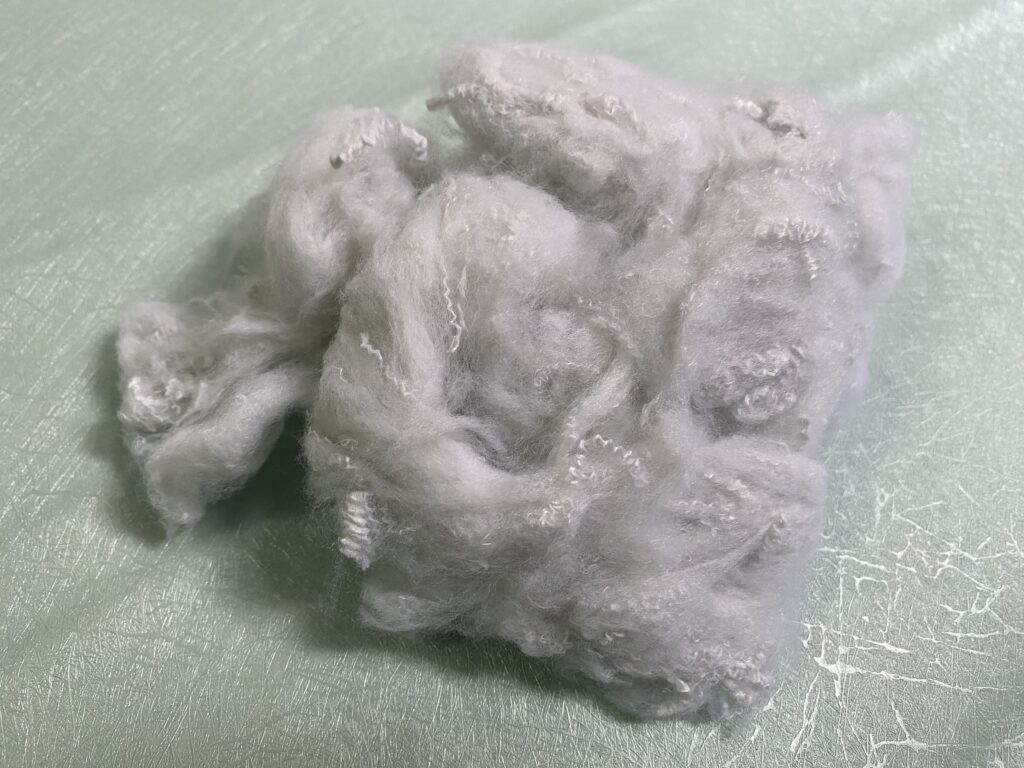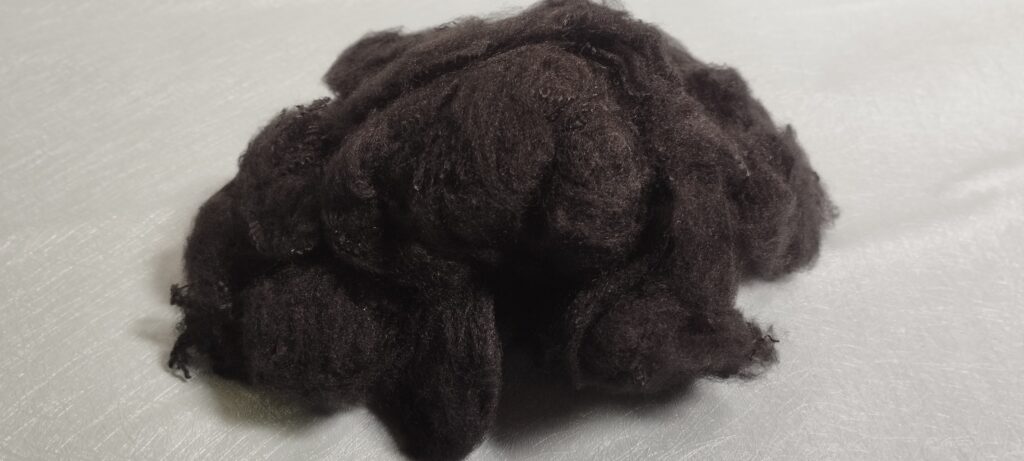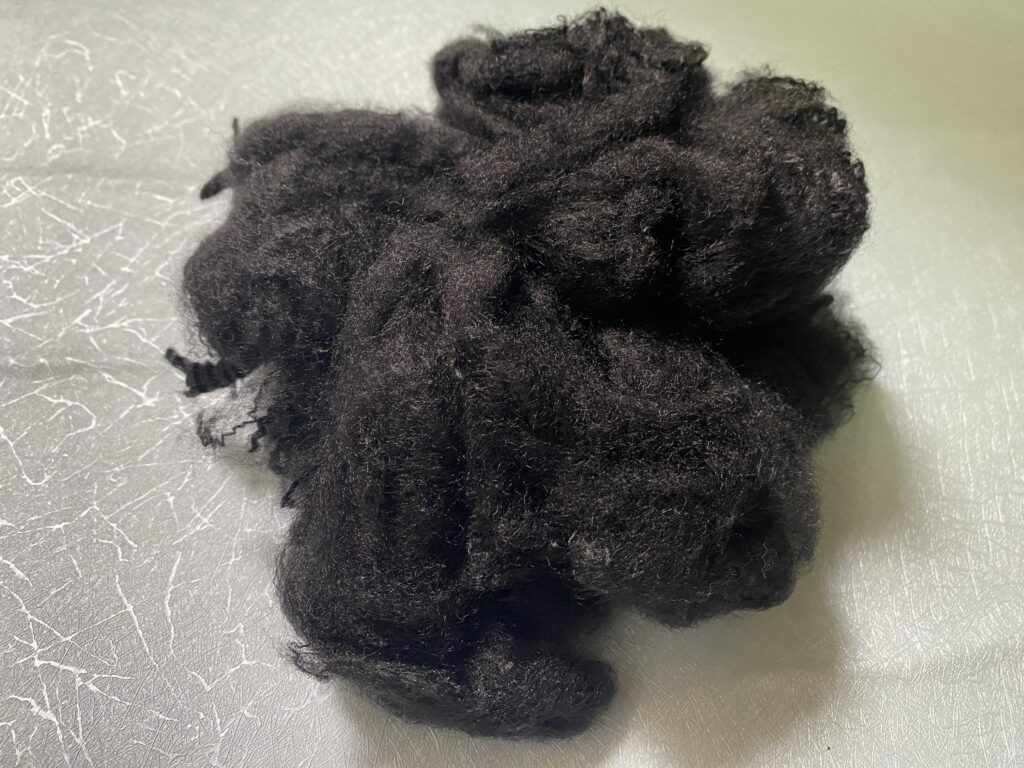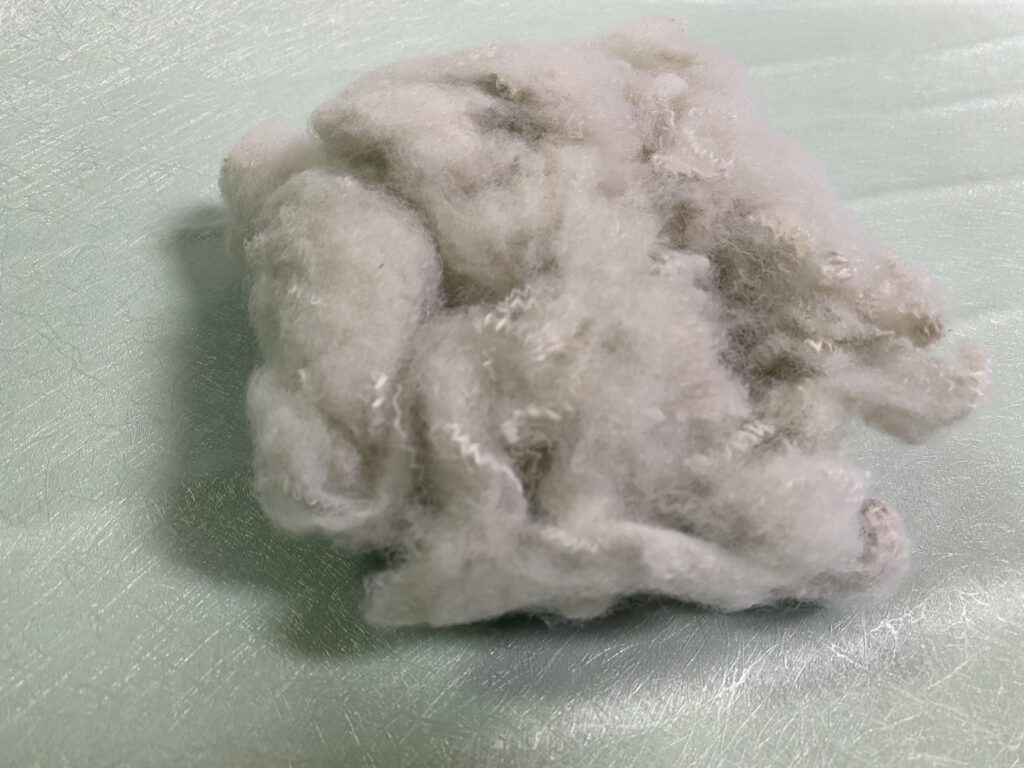
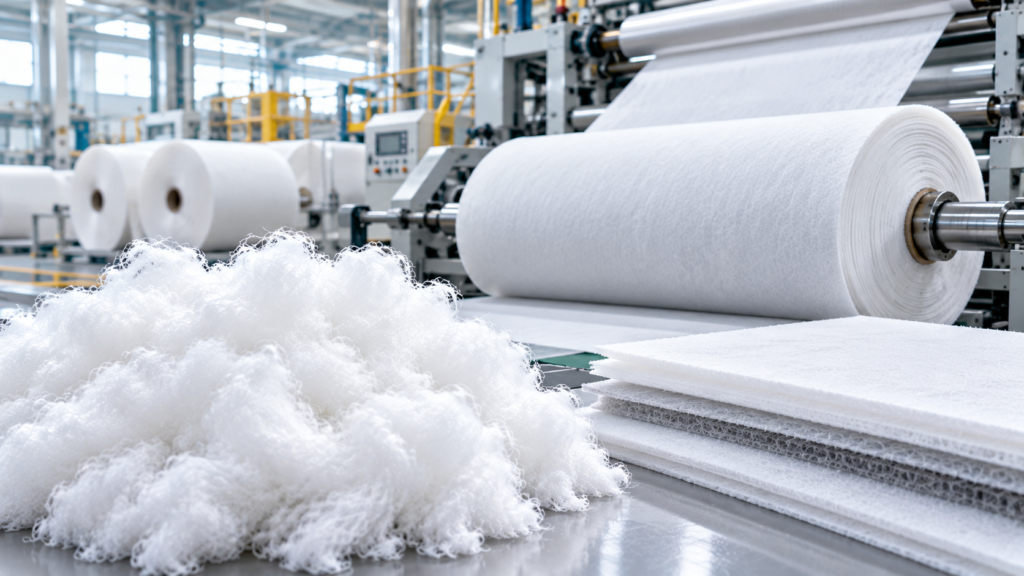
Recycled polyester staple fiber is an important raw material for manufacturers of nonwoven materials used in automotive interiors, furniture, industrial applications, construction, and other technical textile sectors. Choosing the right fiber grade can influence processing stability, web formation, finished-product characteristics, and overall production costs.
For nonwoven manufacturers, the purchasing decision involves more than finding a competitive price. Fiber fineness, cut length, crimp, mechanical properties, color, and compatibility with the production process all need to be considered.
At Eco Micro Fiber, we support B2B buyers evaluating recycled polyester staple fiber for different industrial applications. This guide explains the key considerations when selecting recycled micro fiber for nonwoven manufacturing and preparing a suitable sourcing specification.
What Is Recycled Micro Fiber?
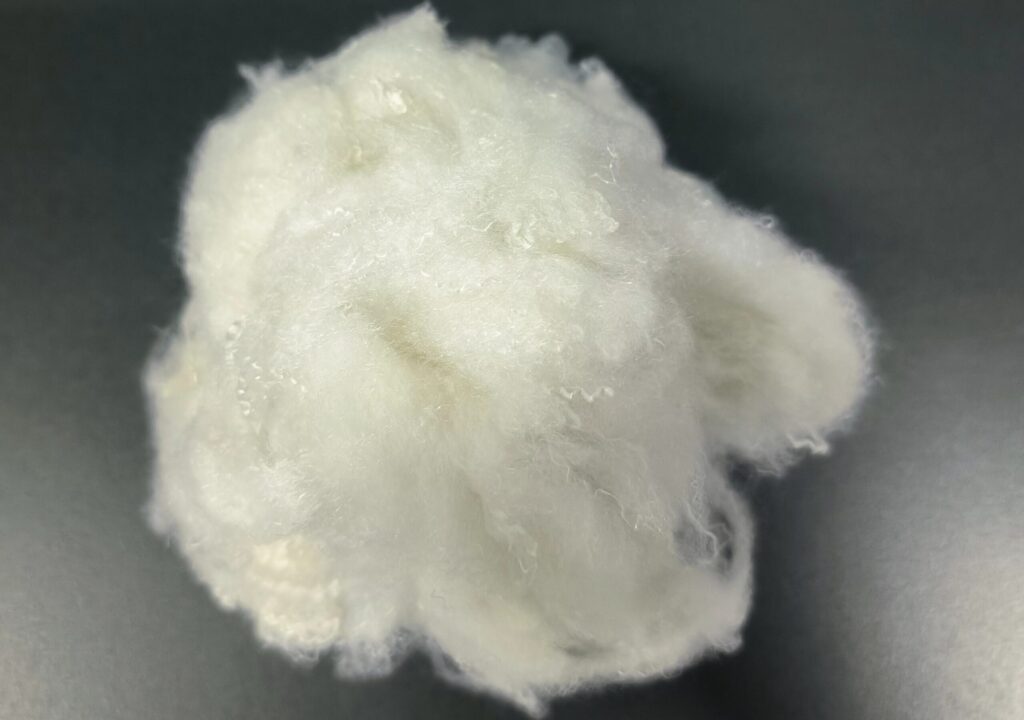
Recycled micro fiber refers to fine fibers made from recycled polymer materials. In polyester applications, recycled polyester staple fiber (RPSF) is supplied in cut lengths and different fineness levels according to the intended manufacturing process.
The term “micro fiber” can be used differently across suppliers and industries. Therefore, buyers should confirm the actual denier or dtex rather than relying on the product name alone.
Recycled polyester staple fiber can be considered for different nonwoven processes, including needle punching and other web-forming or bonding technologies, provided that the fiber properties are compatible with the equipment and finished-product requirements.
The appropriate grade depends on the intended application, manufacturing process, and required performance of the final nonwoven material.
Why Do Nonwoven Manufacturers Consider Recycled Polyester Fiber?
1. Flexibility Across Industrial Applications
Polyester staple fiber is used in a variety of nonwoven products. Depending on the selected grade and manufacturing process, applications may include:
- Automotive felt, trunk liners, and selected interior components
- Furniture padding and cushioning materials
- Needle-punched felt and industrial textiles
- Geotextiles and selected construction-related products
- Acoustic and insulation components
- Other technical nonwoven materials
Not every fiber grade is suitable for every application. Buyers should match the fiber specification to the performance requirements of the finished product.
2. Opportunities to Incorporate Recycled Raw Materials
Using recycled polyester fiber can help manufacturers incorporate recycled raw materials into their production systems.
However, the environmental benefits and recycled-content claims of the final product depend on the material source, production process, and supporting documentation. Buyers with specific sustainability requirements should confirm the applicable evidence with their suppliers and customers.
3. Potential to Optimize Raw Material Costs
Raw material price is an important consideration for nonwoven manufacturers. Nevertheless, the lowest price per kilogram does not always result in the lowest total production cost.
Fiber consistency, processing behavior, waste levels, downtime, and finished-product acceptance can all affect overall economics. Buyers should evaluate a proposed grade through specification review and production trials before making a large-volume commitment.
Which Nonwoven Applications Can Use Recycled Polyester Staple Fiber?
Automotive Nonwovens
Polyester staple fiber may be used in selected automotive nonwoven components, such as felt layers, trunk liners, and interior backing materials.
The required grade depends on the component design, fiber-opening and web-forming process, bonding method, and customer requirements. Automotive applications may also require additional testing, material declarations, or customer-specific approvals.
Needle-Punched Felt
Needle-punched nonwovens are produced by mechanically entangling fibers with barbed needles. Fiber characteristics influence how the web forms and behaves during processing.
When evaluating recycled polyester fiber for needle-punched felt, buyers should consider denier, cut length, crimp, tensile properties, fiber cleanliness, and compatibility with the carding and needling equipment.
Furniture and Padding Materials
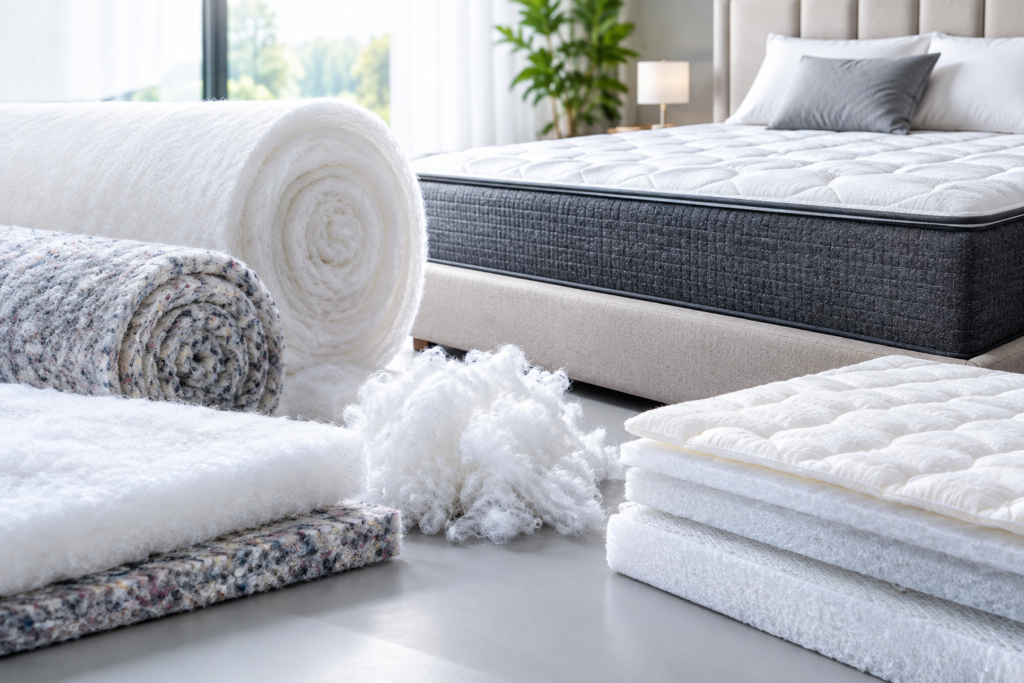
Certain nonwoven padding and backing products may use recycled polyester staple fiber. The suitable grade depends on the required thickness, density, resilience, surface characteristics, and manufacturing process.
Buyers should specify the intended end use rather than assuming that a fiber grade designed for one padding application will automatically work for another.
Geotextiles and Industrial Nonwovens
Selected geotextile and industrial felt applications may use polyester staple fiber. These products can have demanding requirements for strength, durability, dimensional stability, or other application-specific properties.
The buyer should provide the relevant product standards and performance targets before the supplier recommends a grade.
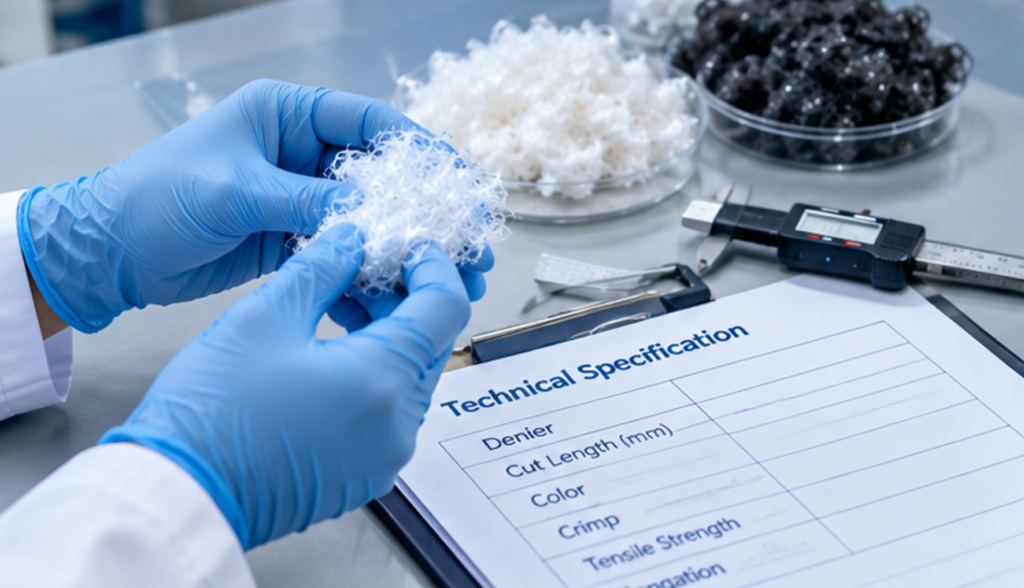
Key Specifications to Check Before Buying Recycled Micro Fiber
A clear technical specification helps suppliers identify a suitable product and reduces the risk of misunderstandings during sampling and bulk purchasing.
Denier or Fiber Fineness
Denier indicates the mass in grams of 9,000 meters of fiber. Dtex expresses the mass in grams of 10,000 meters.
Fiber fineness can influence web formation, coverage, and the structure of the finished nonwoven. However, the effect depends on the complete fiber specification and the manufacturing process.
Buyers should state the required denier or dtex and confirm the acceptable tolerance with the supplier.
Cut Length
Cut length affects fiber opening, carding, web formation, and compatibility with the production line.
The correct length depends on the equipment, process configuration, and product design. Buyers should specify the required cut length in millimeters and ask how length variation is controlled.
Crimp
Crimp influences fiber cohesion, bulk, and handling during processing. The appropriate crimp characteristics depend on the type of nonwoven and the production method.
Where crimp is a critical parameter, buyers should include the required value or acceptance criteria in the technical specification.
Tenacity and Elongation
Tenacity measures fiber strength relative to its linear density, while elongation describes how much the fiber extends before breaking under a specified test.
These properties may affect fiber handling and the mechanical behavior of the resulting material. The required values should be established according to the application and verified using agreed test methods.
Color and Cleanliness
Color consistency and cleanliness are important when the final product has visible surfaces or defined material requirements.
Buyers should confirm whether the application requires white, black, or another specified color. They should also agree on acceptable levels of contamination and other visible defects.
Finish and Processing Compatibility
Fiber finish can affect friction, opening, carding, and downstream processing. Buyers should confirm whether the proposed finish is suitable for their equipment and process.
Compatibility should be assessed using technical information and, where necessary, an actual production trial.
How to Select the Right Recycled Polyester Fiber Grade
Choosing a suitable grade is a process of matching material properties to manufacturing needs.
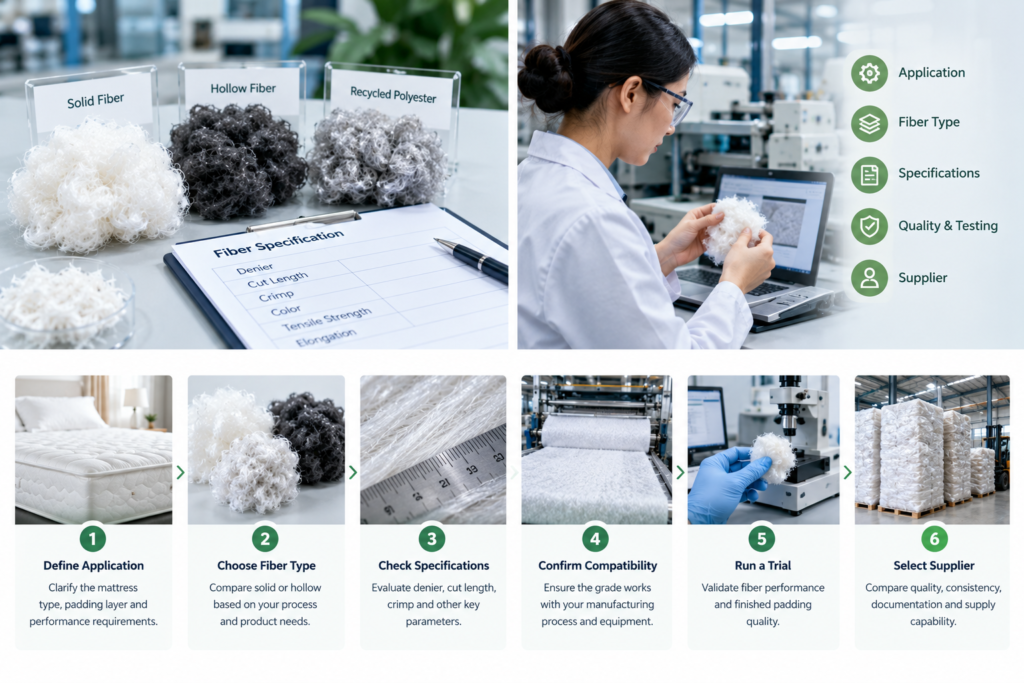
Step 1: Define the finished product.
Explain whether the fiber will be used for automotive felt, needle-punched nonwoven, furniture padding, geotextiles, or another application.
Step 2: Describe the manufacturing process.
Identify the relevant process, such as carding and needle punching, and share any important equipment or processing constraints.
Step 3: Confirm the required specifications.
Define denier, cut length, color, crimp, mechanical properties, and any other parameters relevant to the product.
Step 4: Review documentation and quality requirements.
Ask for the available technical data sheet, applicable test results, lot identification information, and required recycled-content documentation. Confirm any certification requirements before placing an order.
Step 5: Test a representative sample.
Evaluate fiber opening, processing behavior, web formation, and finished-product characteristics under suitable trial conditions.
Step 6: Confirm the bulk-order specification.
Once the grade is accepted, document the agreed parameters, tolerances, packaging requirements, inspection arrangements, and delivery terms.
This process helps buyers make a more informed decision than selecting a grade based on price or product name alone.
What Should Buyers Check When Evaluating a Recycled Fiber Supplier?
International buyers should evaluate both the product and the supplier’s ability to support repeat orders.
Consider asking the supplier:
- Can you provide a technical data sheet for the proposed grade?
- Which specifications can be confirmed for each production lot?
- Can the color, cut length, and other critical requirements be agreed in writing?
- What samples and test documents are available for evaluation?
- Can the supplier support the required packaging and export documentation?
- Can the supplier confirm the proposed production schedule and shipment terms?
- If certification or recycled-content evidence is required, can the applicable documents be verified for the specific product and shipment?
For recurring orders, buyers should also establish how specification changes, non-conformities, and quality concerns will be communicated and handled.
Common Purchasing Mistakes to Avoid
Choosing by Price Alone
A lower quoted price does not necessarily mean a lower total production cost. Compare the complete specification and evaluate processing results before making a decision.
Using a Product Name Instead of a Technical Specification
Terms such as “micro fiber,” “recycled fiber,” and “nonwoven grade” may be used differently by different suppliers. Always confirm the actual parameters.
Skipping Production Trials
A sample that looks acceptable may still behave differently on the buyer’s equipment. Trial conditions should reflect the intended process as closely as practical.
Assuming One Grade Fits Every Application
Fiber requirements for automotive felt, geotextiles, and furniture padding may differ considerably. Choose the grade based on the actual end use and performance criteria.
Leaving Quality Requirements Unclear
Important parameters, tolerances, inspection methods, and documentation requirements should be agreed before bulk production.
Buyer Checklist: Preparing an RFQ for Recycled Polyester Fiber
To help a supplier assess your requirements, include the following information in your request for quotation:
- Application: needle-punched nonwoven, automotive felt, padding, geotextile, or another use
- Fiber type: recycled polyester staple fiber and any specific construction or finish requirement
- Denier or dtex: required fineness and acceptable tolerance
- Cut length: required length in millimeters
- Color: white, black, or another specified color
- Technical requirements: crimp, tenacity, elongation, cleanliness, or other relevant parameters
- Quality documents: technical data sheet, test results, and any required certification or recycled-content evidence
- Order quantity: sample, trial order, or expected recurring volume
- Destination: delivery country or port and preferred shipping terms
- Target schedule: required delivery window
Providing these details helps suppliers assess the request more accurately and identify which specifications need further confirmation.
Source Recycled Polyester Staple Fiber from Vietnam
Eco Micro Fiber supports B2B enquiries for recycled polyester staple fiber for industrial and textile applications. Buyers are encouraged to share their application, target specifications, color requirements, and expected order volume so that a suitable grade can be evaluated.
For a quotation, please contact [email protected] with your technical requirements and destination details.
A clear specification, appropriate sample evaluation, and documented purchasing agreement are important steps toward building a reliable long-term supply relationship.
Frequently Asked Questions
Is recycled polyester staple fiber suitable for nonwoven manufacturing?
It can be suitable for various nonwoven applications, depending on the fiber grade, production process, and finished-product requirements. Buyers should confirm compatibility through technical review and appropriate trials.
What specifications should I provide when requesting a quotation?
Start with the application, denier or dtex, cut length, color, process, quantity, and destination. Add any required mechanical properties, finish, test methods, or documentation.
Can the same recycled polyester fiber be used for needle-punched felt and automotive interiors?
Not automatically. These applications may have different material and performance requirements. Confirm the specific end use and evaluate the proposed grade accordingly.
How can I assess the consistency of recycled polyester fiber?
Review the technical data sheet, agree on critical parameters and tolerances, request available lot-specific test information, and evaluate representative samples. For repeat orders, establish clear acceptance criteria.
What documents should an international buyer request?
Depending on the product and destination, useful documents may include a technical data sheet, applicable test results, packing list, commercial invoice, and other export documents. If a certification or recycled-content claim is required, confirm its scope and validity for the relevant product and shipment.
Conclusion
Selecting recycled micro fiber for nonwoven manufacturing requires a clear understanding of the end application, production process, and technical requirements. Denier, cut length, crimp, mechanical properties, color, and processing compatibility should be evaluated together rather than in isolation.
For B2B buyers, a well-defined RFQ, suitable sample trials, and documented quality requirements provide a practical foundation for evaluating suppliers and planning repeat purchases of recycled polyester staple fiber.