
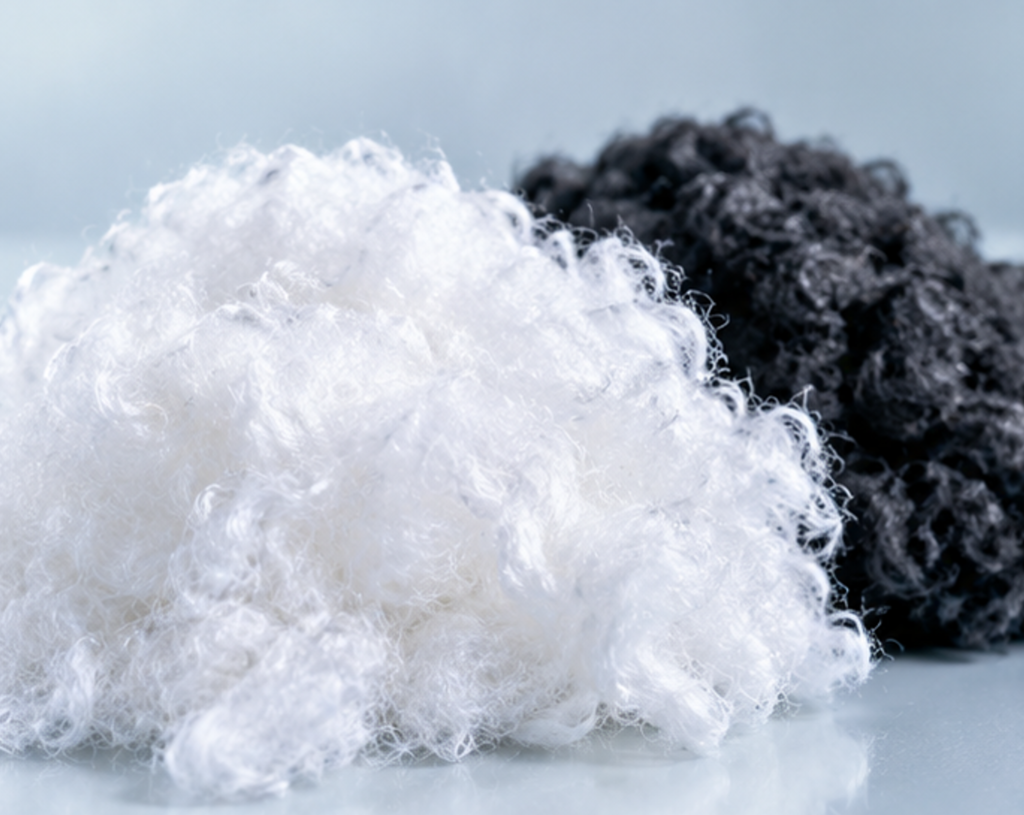
Selecting the right polyester fiber for mattress padding is an important decision for mattress manufacturers, bedding producers, and nonwoven manufacturers. The fiber grade can influence processing behavior, padding structure, cushioning performance, product consistency, and overall material cost.
However, there is no single polyester fiber specification that suits every mattress application. The right choice depends on the intended padding layer, manufacturing process, required finished-product properties, and the supplier’s ability to maintain consistent specifications.
This guide explains how to select polyester staple fiber for mattress padding, which technical parameters to evaluate, and what buyers should confirm before placing a bulk order.
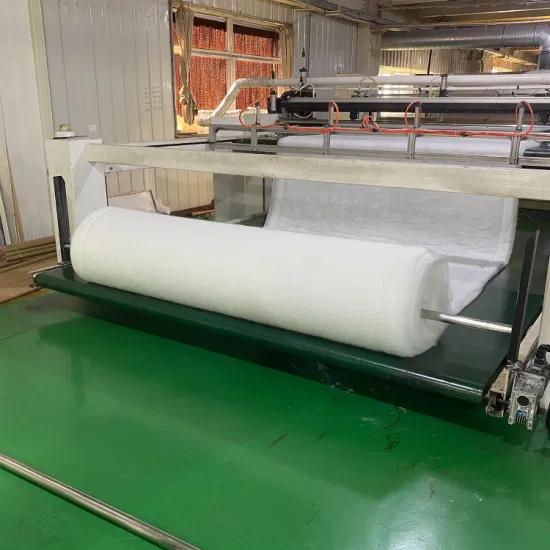
1. Understand the Intended Mattress Padding Application
Before choosing a fiber grade, define where and how the material will be used.
Polyester fiber may be considered for several mattress-related applications, depending on the grade and manufacturing process.
Mattress Padding Layers
Fiber-based padding layers may be incorporated into mattress constructions to provide cushioning, thickness, or other required characteristics. The appropriate fiber depends on the design of the layer and the performance targets for the finished mattress.
Quilting and Comfort Layers
Some bedding products use fiber-based materials in quilted panels or comfort layers. Fiber selection should consider the intended softness, loft, thickness, processing requirements, and compatibility with other materials in the construction.
Needle-Punched Nonwoven Padding
Polyester staple fiber can be used in suitable needle-punched nonwoven production. Fiber length, fineness, crimp, web formation, and needle-punching conditions may all influence the resulting material.
Bonded Fiber Padding
Some padding materials use thermal or other bonding processes. In these cases, buyers must confirm whether the selected fiber is compatible with the bonding method and whether a separate bonding fiber or binder is required.
Standard polyester staple fiber should not automatically be assumed to provide thermal bonding on its own.
The first rule: Select polyester fiber according to the actual manufacturing process and finished-padding requirements, not simply because the material is described as mattress fiber.
2. Choose the Appropriate Fiber Type
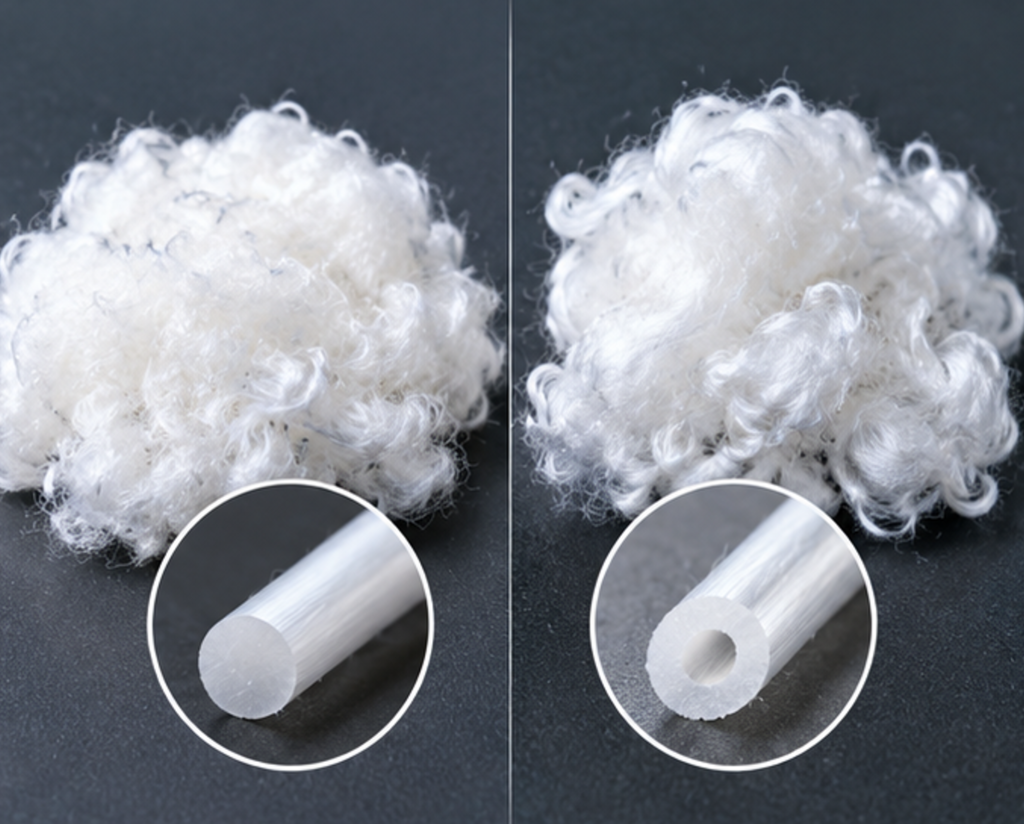
Polyester staple fiber is available in different structures and grades. Two common categories buyers may compare are solid and hollow polyester fiber.
Solid Polyester Fiber
Solid polyester fiber has a solid cross-sectional structure. Depending on its specifications, it may be considered for selected padding, nonwoven, and cushioning applications.
Buyers evaluating solid recycled polyester fiber should confirm the denier, cut length, mechanical properties, color, and compatibility with the intended production line.
Hollow Polyester Fiber
Hollow polyester fiber contains an internal hollow space. Its structure differs from solid fiber and may influence properties such as bulk and compression behavior, depending on the grade and finished construction.
It should be evaluated against the specific performance requirements of the padding material rather than assumed to be superior in every application.
Solid vs. Hollow: How Should Buyers Decide?
| Selection factor | Solid polyester fiber | Hollow polyester fiber |
|---|---|---|
| Fiber structure | Solid cross-section | Internal hollow space |
| Intended use | Depends on the grade and product design | Depends on the grade and product design |
| Padding performance | Validate in the finished structure | Validate in the finished structure |
| Processing compatibility | Confirm with production equipment | Confirm with production equipment |
| Purchasing decision | Compare technical data and trial results | Compare technical data and trial results |
There is no universal winner. The best option depends on the mattress construction, processing method, required properties, and total material cost.
If the application specifically requires solid recycled polyester fiber, review the Solid Recycled Polyester Fiber for Mattress Padding product information and confirm the currently available specifications with the supplier.
3. Evaluate Denier and Cut Length
Denier and cut length are two key parameters when selecting polyester staple fiber for mattress padding.
Denier
Deniers indicates the mass in grams of 9,000 meters of fiber. It is commonly used to describe the linear density or fineness of polyester staple fiber.
The suitable denier depends on the padding structure, processing equipment, required material characteristics, and whether the fiber will be used alone or in a blend.
When comparing grades, buyers should ask:
- What is the nominal denier?
- What tolerance applies to the supplied material?
- Is the grade suitable for the intended padding process?
- Are relevant test results or inspection records available?
- Can the supplier maintain the agreed specification across repeat orders?
Do not select a grade based on denier alone. Evaluate it together with cut length, fiber structure, and production requirements.
Cut Length
Cut length describes the length of individual staple fibers. It can influence opening, blending, web formation, fiber cohesion, and other processing characteristics.
The appropriate length depends on the equipment and manufacturing process. A fiber grade suitable for one production line may not perform identically on another.
Before ordering, confirm the nominal cut length, any agreed tolerance, and whether the supplier can provide a representative sample for trial production.
4. Check Fiber Properties That Affect Padding Performance
The finished padding material—not just the raw fiber—must meet the manufacturer’s requirements.
Crimp and Bulk
Fiber crimp can influence cohesion and bulk during processing. The effect on the finished padding depends on the fiber grade, web structure, bonding method, and manufacturing settings.
Ask the supplier for relevant specifications and evaluate how the fiber performs on the intended production line.
Tensile Strength and Elongation
Mechanical properties may affect fiber handling and processing. Their importance varies according to the manufacturing method and finished product.
Request relevant test results where available, including the test method and acceptance criteria. Avoid comparing figures produced under different testing methods without confirming that the results are comparable.
Resilience and Compression Recovery
For mattress padding, buyers may need to assess how the finished material responds to compression and how it recovers after pressure is removed.
These characteristics cannot be determined reliably from denier alone. They may depend on fiber properties, padding density, layer thickness, bonding, and the overall mattress design.
Where compression recovery is a requirement, define the test method and acceptance limits for the finished padding material.
Color and Appearance
The required fiber color depends on the intended application and downstream process. Buyers should specify the required color and acceptable variation.
Fiber incoming inspection should also consider visible contamination, unusual color variation, and other appearance issues that could affect production or the finished product.
5. Consider Recycled Polyester Fiber for Mattress Padding
Recycled polyester staple fiber may be an option for manufacturers seeking recycled polyester raw materials for selected padding applications.
When evaluating recycled fiber, buyers should assess it using the same application-specific criteria applied to other candidate materials.
Important considerations include:
- Compatibility with the existing production process
- Agreed denier and cut length
- Mechanical properties relevant to the application
- Color and cleanliness requirements
- Consistency between samples and bulk production
- Available technical data and inspection records
- Recycled-content documentation, if required
If recycled content is a purchasing requirement, confirm the documentation and traceability needed for the specific product and supply chain. Do not assume that every recycled polyester fiber grade carries the same certification or documentation.
A recycled material should be approved based on verified requirements and trial results rather than on the recycled-content claim alone.
6. Match Fiber Selection to the Manufacturing Process
The production method is an important factor in determining whether a fiber grade is appropriate.
Needle-Punched Padding
For needle-punched padding, assess whether the fiber can be opened, distributed, and processed into the required web structure. Fiber length, fineness, crimp, and the settings of the needle-punching line may affect the result.
The buyer should evaluate the uniformity, thickness, structural integrity, and other relevant properties of the finished material.
Thermally Bonded Padding
For thermally bonded materials, confirm the bonding mechanism and the role of each fiber in the blend.
If the process requires low-melting bonding fibers, the standard polyester staple fiber grade may need to be combined with a suitable bonding component. Verify the proposed material combination with the production team.
Blended Fiber Padding
Some manufacturers blend polyester with other fibers to achieve specific material properties or processing behavior.
Before selecting a grade, define the blend ratio, the requirements for each component, and the performance criteria for the finished padding. Conduct a production trial to validate the combination.
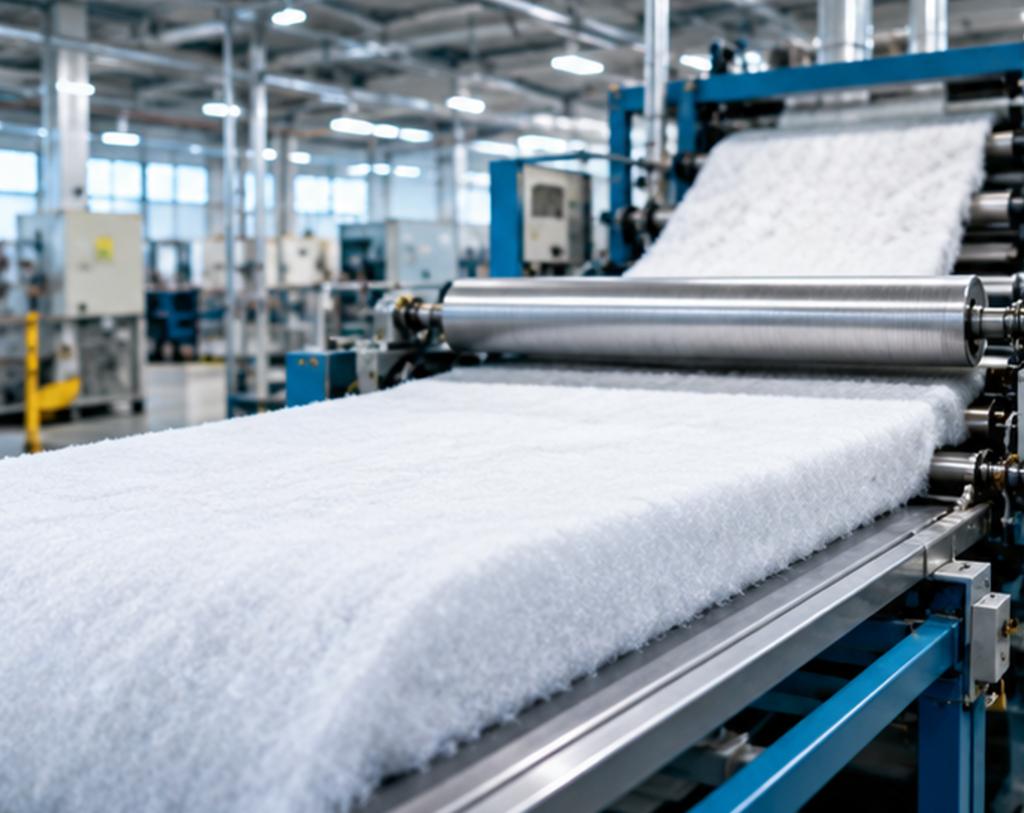
7. How to Compare Suppliers Beyond Price
Price per kilogram is important, but it does not tell the whole story.
A more complete purchasing assessment considers the cost of the material alongside processing performance, quality consistency, and supply requirements.
Specification Control
Ask how the supplier checks denier, cut length, color, and other agreed parameters. Confirm which inspection records or test reports can be provided.
Lot-to-Lot Consistency
A suitable sample is only one part of the evaluation. Buyers should also establish how the supplier maintains specifications across repeat production lots.
Agree on the specification, tolerance, inspection criteria, and procedure for handling nonconforming material.
Production and Shipment Planning
Confirm the quantity available, packaging, production schedule, shipment terms, and expected delivery arrangements for the actual order.
Do not assume a supplier can meet a particular quantity or delivery date until it has been confirmed.
Technical Communication
A supplier should be able to clarify product specifications, explain available documentation, and respond to questions about the intended application.
Clear communication before the order can reduce misunderstandings about the grade, quality requirements, and commercial terms.
8. Conduct a Sample Trial Before Bulk Purchasing
A sample trial allows mattress manufacturers to evaluate the fiber under representative production conditions before committing to a larger order.
A practical process includes:
- Define the application: Specify the padding layer, manufacturing process, and finished-product requirements.
- Review the technical data: Check denier, cut length, fiber structure, mechanical properties, and available supporting documents.
- Inspect the sample: Evaluate appearance, color, packaging, and other agreed criteria.
- Run a production trial: Process the material using the intended equipment and representative operating conditions.
- Evaluate the finished padding: Check thickness, uniformity, compression behavior, recovery, bonding, and other relevant properties.
- Document approval: Record the accepted grade, test results, specification limits, and any agreed process conditions.
Acceptance criteria should be established before the trial. The appropriate test plan depends on the intended mattress product and customer requirements.
After approval, monitor incoming bulk lots against the agreed specification rather than assuming that every shipment will automatically match the initial sample.
9. A Buyer Checklist for Selecting Polyester Fiber
Before placing an order, confirm the following points.
- Intended application and padding structure are defined.
- Fiber type and structure are confirmed.
- Denier and cut length meet the agreed requirements.
- Relevant mechanical properties and test methods are documented.
- Color, cleanliness, and appearance criteria are clear.
- The grade is compatible with the manufacturing process.
- Sample trial results meet the agreed acceptance criteria.
- Available quality documents and recycled-content evidence have been reviewed, where applicable.
- Packaging, order quantity, shipment schedule, and commercial terms are confirmed.
- Procedures for lot identification and quality complaints are agreed.
Completing this checklist helps buyers compare suppliers using consistent criteria instead of relying on price or product descriptions alone.
10. Request a Quotation for Polyester Fiber for Mattress Padding
To help a supplier recommend a suitable grade and prepare a quotation, provide the following information:
- Intended application: mattress padding, quilting, nonwoven padding, or another component
- Required fiber structure: solid, hollow, or another specified type
- Target denier and cut length
- Required color
- Manufacturing process: needle-punched, thermally bonded, blended, or another process
- Finished-padding performance requirements
- Sample or trial quantity
- Expected bulk order quantity and purchasing frequency
- Packaging requirements, if specified
- Destination port and preferred shipping terms
- Required technical reports, traceability documents, or certificates
If some specifications are not yet defined, share the current production process and the main performance requirements. The supplier can then clarify which technical details need to be agreed upon.
11. Source Recycled Polyester Fiber
Eco Micro Fiber supports international buyers researching recycled polyester staple fiber for industrial textile applications.
For mattress padding requirements, buyers can share the intended application, required fiber structure, denier, cut length, color, processing method, and order quantity. The proposed grade, current availability, technical documentation, and commercial terms should be confirmed against the actual requirement.
To discuss your sourcing needs, contact [email protected] or visit the Contact page.
Frequently Asked Questions
Which polyester fiber is best for mattress padding?
There is no single best grade for every mattress. The choice depends on the padding structure, manufacturing process, required performance, and cost. Buyers should compare suitable grades and validate them through production trials.
Should I choose solid or hollow polyester fiber?
The decision depends on the finished product and process requirements. Compare technical data and evaluate the finished padding material rather than assuming one structure is always better.
Why are denier and cut length important?
They describe the fineness and length of the staple fiber and help determine whether a grade is suitable for the intended processing equipment and product design. Both parameters should be considered alongside other fiber properties.
Can recycled polyester fiber be used for mattress padding?
Some recycled polyester staple fiber grades may be suitable for selected padding applications. Buyers should confirm the grade’s specifications, processing compatibility, and any required documentation before purchasing.
What should I test before ordering in bulk?
Test the fiber under representative production conditions and assess the finished padding against the agreed criteria. Depending on the product, these may include uniformity, thickness, compression behavior, recovery, bonding, appearance, and other application-specific requirements.
Conclusion
Selecting polyester fiber for mattress padding requires a clear understanding of the application, fiber structure, denier, cut length, processing method, and finished-product requirements.
For recycled polyester fiber, buyers should also verify the available quality documentation, recycled-content evidence where required, and consistency between approved samples and bulk production.
By defining a clear specification, comparing suppliers beyond price, and conducting a representative production trial, mattress manufacturers can make better-informed raw-material purchasing decisions and establish a more consistent sourcing process.