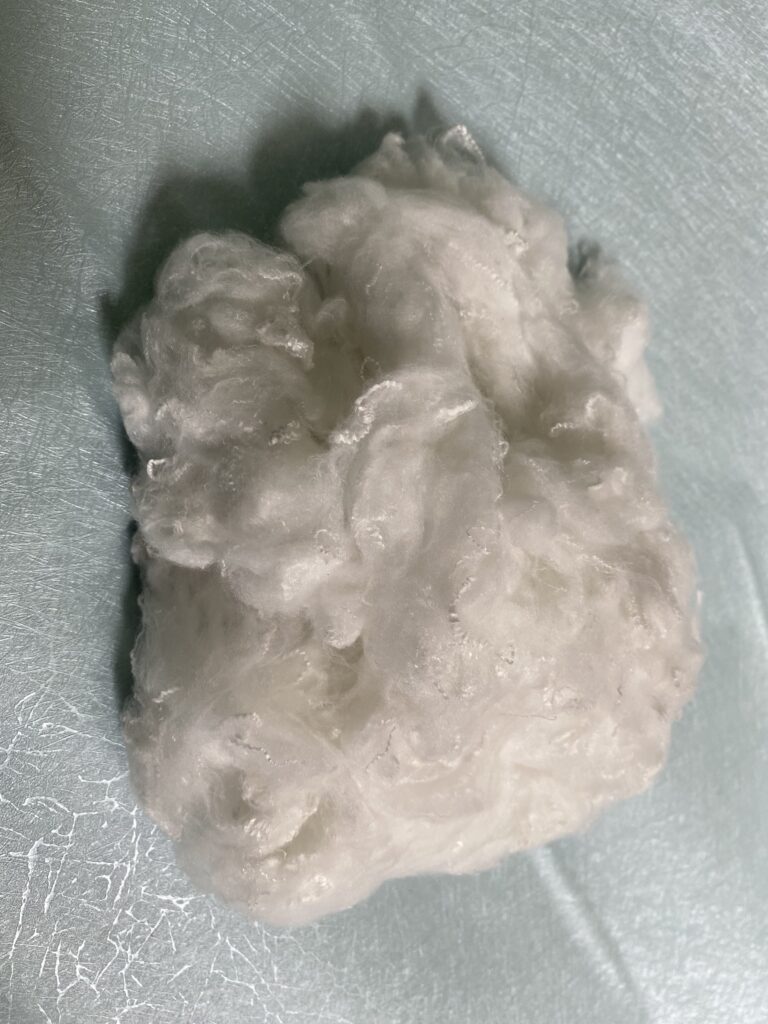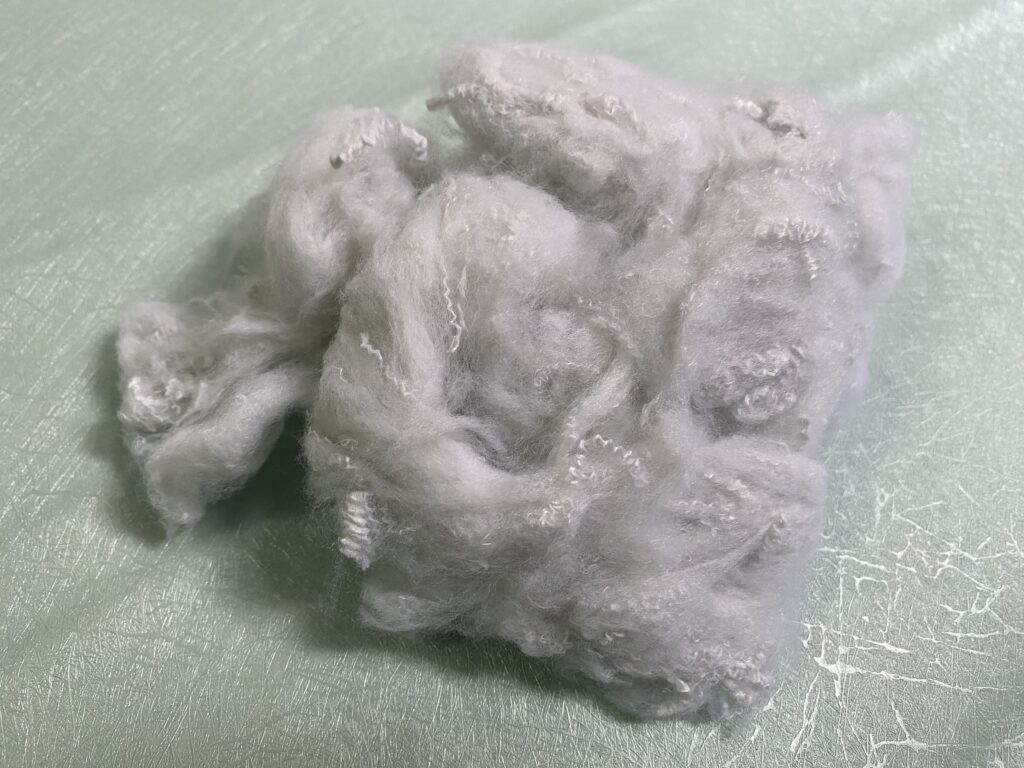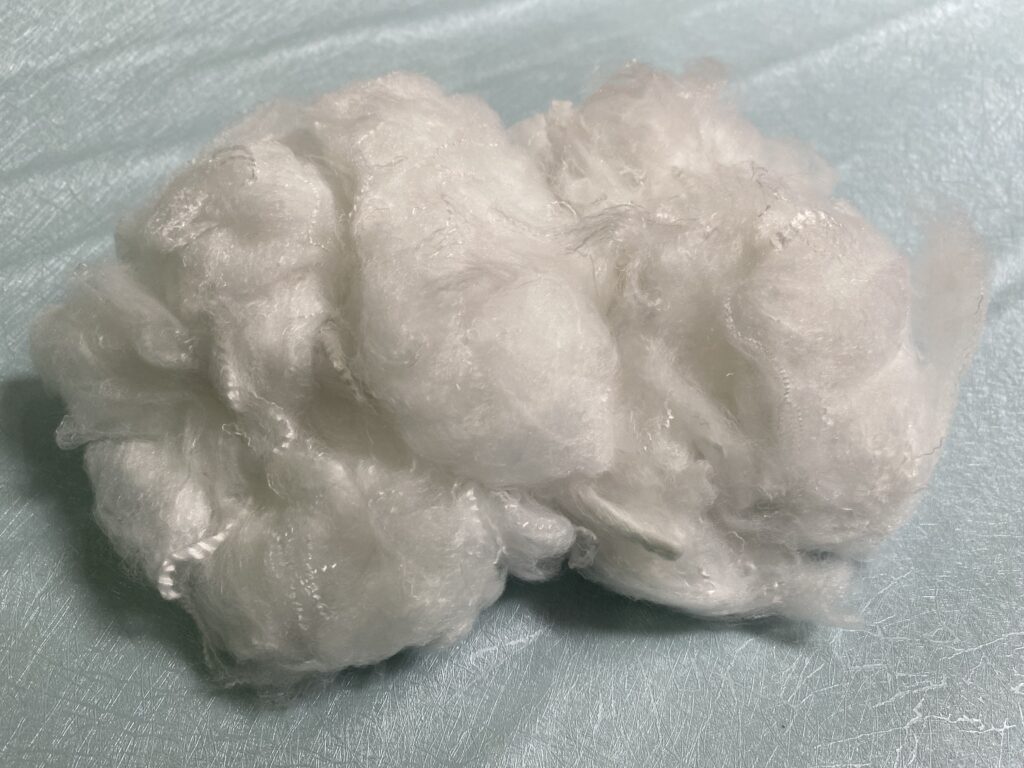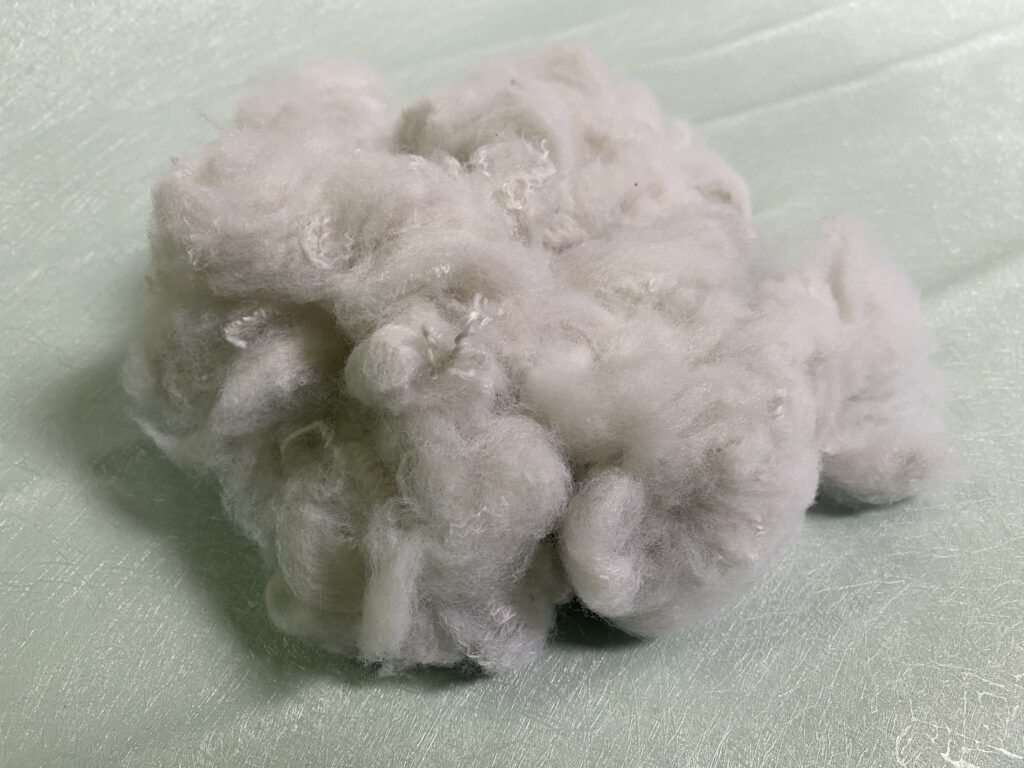
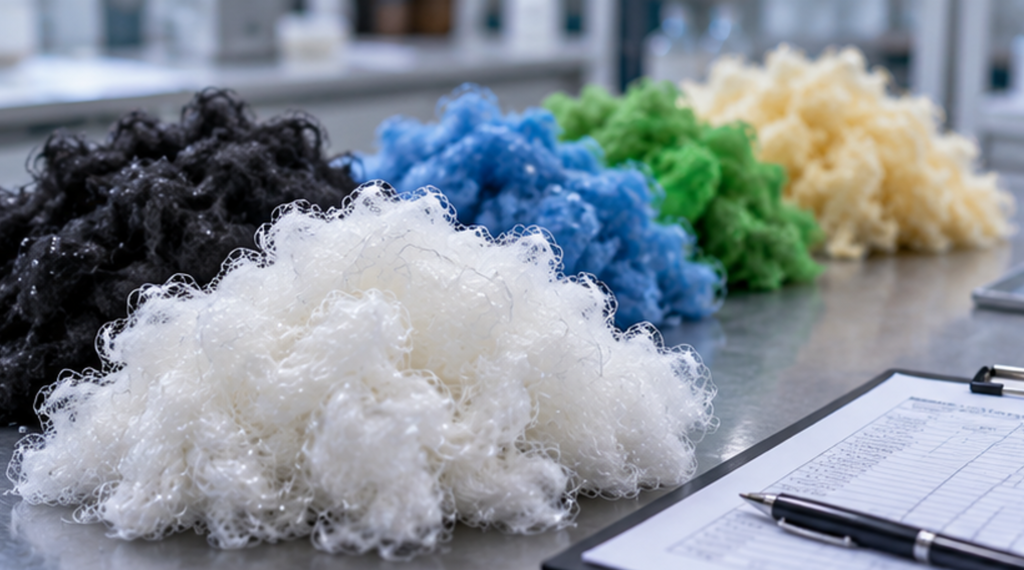
Sourcing recycled polyester staple fiber (RPSF) from a new supplier involves more than comparing prices and product specifications.
Before committing to regular container shipments or long-term supply agreements, many textile manufacturers prefer to evaluate the material through samples and a controlled trial order.
A properly planned recycled polyester fiber trial order allows buyers to assess how the material performs under actual manufacturing conditions, identify potential processing issues, and evaluate whether the supplier can meet agreed commercial and quality requirements.
However, an unstructured trial can produce inconclusive results, unnecessary material waste, and delays in supplier approval.
This guide explains how international buyers can prepare their first recycled polyester staple fiber trial order, from defining technical requirements and reviewing samples to production testing, shipment planning, and final supplier evaluation.
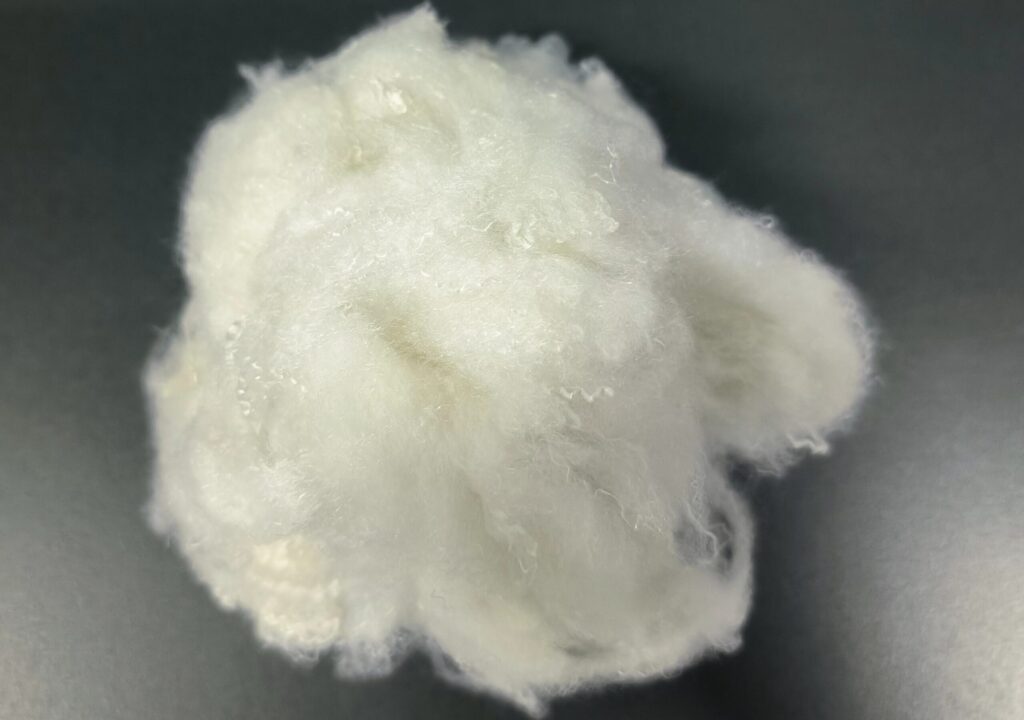
1. What Is a Recycled Polyester Fiber Trial Order?
A recycled polyester fiber trial order is an initial commercial purchase intended to evaluate a specific fiber grade and its suitability for a buyer’s manufacturing process.
Unlike a small laboratory sample, a trial order may provide enough material to evaluate processing performance under more representative production conditions.
The appropriate trial quantity depends on the manufacturing process, equipment, production schedule, and evaluation objectives.
Sample Testing vs. Trial Order vs. Regular Order
| Stage | Main Purpose | Typical Evaluation |
|---|---|---|
| Initial sample | Preliminary material screening | Appearance, fiber properties, basic compatibility |
| Trial order | Evaluate production suitability | Processing performance, product quality, material consistency |
| Regular order | Support ongoing manufacturing | Repeatability, supply reliability, commercial performance |
A successful laboratory sample does not automatically guarantee successful bulk production.
The trial order provides an opportunity to evaluate the material at a more representative scale.
2. Define Your Application Before Requesting Fiber
The first step is identifying exactly how the recycled polyester staple fiber will be used.
Different applications require different fiber characteristics.
Yarn Spinning
Spinning mills should confirm:
- Target yarn count
- Spinning system, such as ring, rotor, or vortex
- Yarn composition and blend ratio
- Required fiber denier and cut length
- Current fiber specification
- Finished yarn quality requirements
Important trial observations may include drafting behavior, yarn breaks, yarn evenness, and tensile performance.
Nonwoven Manufacturing
Needle-punched and other nonwoven manufacturers should identify:
- Nonwoven production technology
- Target fabric weight
- Required fiber fineness and length
- Fiber opening and carding requirements
- Bonding or finishing process
- Finished fabric performance requirements
Mattress and Padding Manufacturing
For filling and padding applications, manufacturers may need to evaluate:
- Fiber structure
- Bulk and loft
- Resilience
- Compression recovery
- Fiber opening behavior
- Finished padding characteristics
Automotive Textile Manufacturing
Automotive carpet, trunk liner, and felt manufacturers may require additional attention to:
- Fiber cleanliness
- Color consistency
- Mechanical properties
- Processing stability
- Thermal behavior
- Customer-specific quality requirements
Buyer takeaway: A trial order should be designed around the actual manufacturing application, not simply the availability of a particular fiber grade.
3. Confirm the Exact Fiber Specification
Before placing a trial order, buyers and suppliers should agree on the material being evaluated.
Common recycled polyester staple fiber specifications include denier, cut length, color, fiber structure, and finish.
For example, a buyer may inquire about:
- 1.4D × 38mm recycled polyester staple fiber
- 2.5D × 51mm recycled polyester staple fiber
- 3D × 51mm recycled polyester staple fiber
- 6D × 64mm recycled polyester staple fiber
- 15D × 76mm recycled polyester staple fiber
These are examples of commercial fiber specifications, not universal recommendations for specific applications.
Essential Technical Information
| Parameter | What Buyers Should Confirm |
|---|---|
| Fiber type | Recycled polyester staple fiber |
| Fiber structure | Solid, hollow, or other specified structure |
| Denier | Nominal fineness and agreed tolerance |
| Cut length | Nominal length and agreed tolerance |
| Color | White, black, or another required color |
| Tenacity | Required mechanical property range |
| Elongation | Relevant processing requirement |
| Crimp | Required characteristics, where applicable |
| Finish | Siliconized or non-siliconized, where relevant |
| Cleanliness | Contamination requirements |
| Packaging | Bale type, weight, and identification |
Not every application requires every parameter.
However, critical specifications should be documented before material is shipped.
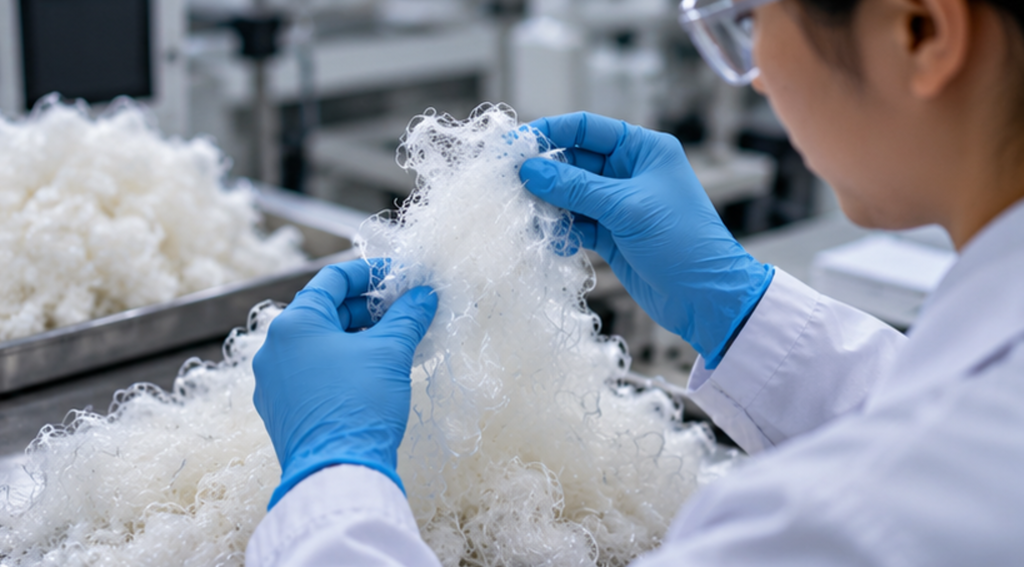
4. Request a Technical Data Sheet and Representative Sample
A Technical Data Sheet (TDS) helps buyers understand the proposed fiber grade.
Depending on the product, it may describe nominal specifications, typical test results, or defined acceptance limits.
Buyers should confirm which values are guaranteed and which are provided for reference.
Why Representative Samples Matter
The sample should correspond as closely as possible to the material intended for the trial order.
Buyers should ask whether the sample:
- Represents the proposed commercial grade
- Comes from an identifiable production lot
- Matches the agreed color and fiber structure
- Has relevant technical information available
- Can be compared with the subsequent trial shipment
A sample that differs materially from the trial-order grade may provide misleading results.
Keep an Approved Reference Sample
Where practical, retain a portion of the sample used during preliminary testing.
This can help with later comparisons involving appearance, cleanliness, or other observable characteristics.
For critical quality parameters, laboratory testing remains necessary.
5. Determine the Right Trial Order Quantity
One of the most common purchasing questions is:
How much recycled polyester fiber should we order for the first trial?
There is no universal trial quantity suitable for every manufacturer.
The appropriate amount depends on:
- Manufacturing equipment
- Minimum operating batch size
- Number of planned production runs
- Required testing
- Material losses during setup
- Supplier packaging requirements
- Freight and handling considerations
Small-Scale Trial
A smaller quantity may be suitable for initial process evaluation when the equipment can operate effectively with limited material.
Production-Scale Trial
A larger quantity may be needed when the buyer wants to evaluate material performance during sustained production.
Container-Based Trial
Some buyers may choose an initial container shipment when smaller quantities are impractical or when they already have sufficient confidence in the material.
However, a full-container order is not automatically necessary for every first trial.
Practical Recommendation
Before requesting a quotation, calculate the amount required for a meaningful test.
Include allowances for machine setup, sampling, testing, and possible repeat runs.
The trial should provide enough information to support a purchasing decision without creating unnecessary inventory exposure.
6. Establish Clear Trial Objectives and Acceptance Criteria
A trial order is more valuable when success can be measured.
Before receiving the material, procurement and production teams should agree on what they intend to evaluate.
Example Trial Evaluation Framework
| Evaluation Area | Questions to Answer |
|---|---|
| Material identification | Does the delivered fiber match the agreed grade? |
| Incoming quality | Are critical properties within agreed limits? |
| Processing stability | Does the fiber run acceptably on existing equipment? |
| Production waste | Is waste within the buyer’s acceptable range? |
| Finished product | Does the output meet quality requirements? |
| Consistency | Is material behavior sufficiently uniform? |
| Commercial performance | Are landed cost and supply conditions acceptable? |
Acceptance criteria should be based on the buyer’s actual production requirements.
Avoid setting arbitrary numerical targets without considering equipment capability and existing material performance.
7. Prepare Your Production Line Before the Trial
A recycled polyester fiber trial should be planned with the production team.
Running a trial without appropriate preparation can make it difficult to identify the causes of any processing problems.
Before Starting Production
Confirm that:
- The production line is available for the planned trial.
- Machine settings and operating conditions are recorded.
- The incoming fiber has been inspected.
- Operators understand the trial objectives.
- Quality control personnel are available.
- The current reference material and performance data are accessible.
Why Baseline Data Matters
Whenever possible, compare the trial fiber with an existing approved material.
Relevant baseline data may include:
- Production speed
- Waste generation
- Machine stoppages
- Finished product quality
- Processing adjustments
- Material handling behavior
A meaningful comparison should account for differences in production conditions.
8. Inspect the Fiber When the Trial Shipment Arrives
Incoming material inspection is an important part of the trial.
Before releasing the fiber to production, buyers should verify the shipment against the agreed purchasing documents.
Incoming Inspection Checklist
- Confirm product grade and specification.
- Check shipment and lot identification.
- Inspect bale condition.
- Check for visible contamination.
- Compare color with the approved reference where relevant.
- Verify packaging condition.
- Record any signs of moisture exposure or damage.
- Review available shipment and quality documents.
What If the Material Appears Different?
If the fiber does not appear to match the agreed specification, document the issue before processing.
Photographs, lot identification, retained samples, and inspection records may be useful when discussing discrepancies with the supplier.
For properties that cannot be confirmed visually, appropriate testing should be performed.
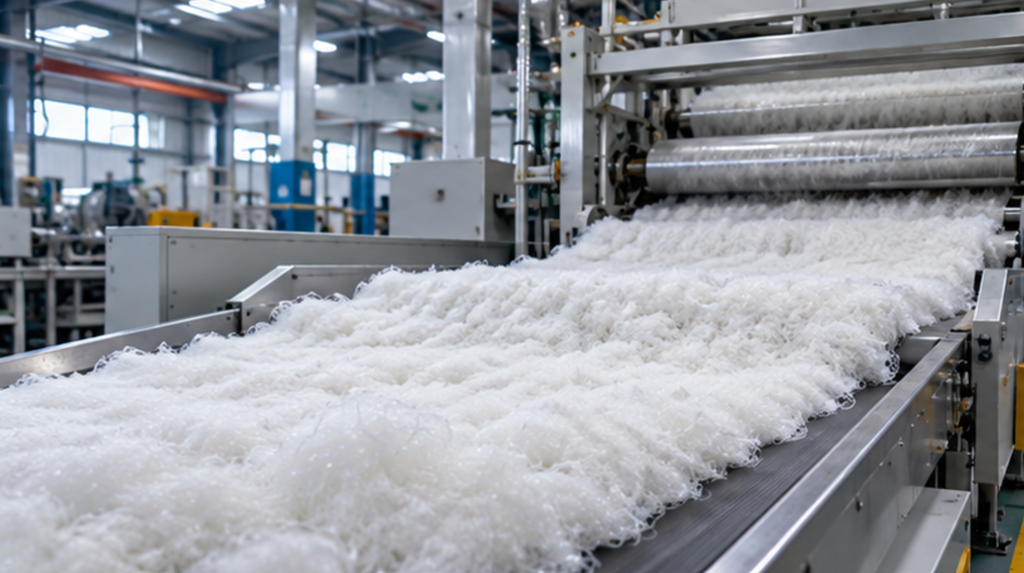
9. Conduct the Production Trial Under Controlled Conditions
Once the incoming material is accepted for testing, the production trial can begin.
The objective is to evaluate how the recycled polyester fiber performs under representative operating conditions.
For Yarn Spinning Mills
Monitor:
- Fiber opening and preparation
- Drafting behavior
- Yarn breaks
- Yarn evenness
- Yarn strength
- Hairiness, where relevant
- Production waste
For Nonwoven Manufacturers
Monitor:
- Fiber opening
- Carding stability
- Web uniformity
- Needle-punching or bonding behavior
- Fabric defects
- Finished material properties
For Mattress and Filling Manufacturers
Monitor:
- Fiber opening efficiency
- Bulk development
- Filling uniformity
- Compression behavior
- Finished product appearance and resilience
For Automotive Textile Manufacturers
Monitor the relevant production characteristics and conduct finished-material testing against applicable customer requirements.
Record Any Process Adjustments
If machine settings are changed during the trial, document the adjustments.
This helps distinguish raw material issues from equipment or process-related effects.
10. Evaluate the Finished Product, Not Just the Fiber
A recycled polyester staple fiber may meet its incoming specification but still produce unsatisfactory results in a particular manufacturing process.
Therefore, the final product should be evaluated against the buyer’s actual quality requirements.
Examples include:
| Application | Finished-Product Evaluation |
|---|---|
| Yarn spinning | Yarn strength, evenness, defects, processing performance |
| Needle-punched nonwoven | Fabric strength, uniformity, thickness, appearance |
| Mattress padding | Loft, resilience, compression recovery |
| Automotive carpet | Abrasion, dimensional stability, appearance, applicable customer tests |
| Geotextile | Relevant mechanical and physical properties |
A trial should not be considered successful solely because the fiber passed an incoming inspection.
The material must also perform adequately in the intended manufacturing process.
11. Calculate the Real Cost of the Trial
Price per kilogram is important, but it is not the only cost consideration.
A buyer evaluating a new recycled polyester fiber supplier should consider the total cost associated with the trial.
Potential Cost Components
- Fiber purchase price
- Freight
- Insurance, where applicable
- Import duties and taxes
- Customs clearance
- Inland transportation
- Testing expenses
- Production setup costs
- Processing waste
- Additional quality inspections
Why the Lowest Fiber Price May Not Be the Lowest Production Cost
A lower-priced fiber may create additional costs if it causes excessive waste, frequent machine adjustments, or finished-product defects.
Conversely, a higher purchase price does not automatically indicate better production performance.
The most useful comparison is based on actual manufacturing results and total cost.
12. Confirm Commercial Terms Before Placing the Trial Order
Technical preparation should be accompanied by clear commercial arrangements.
Before issuing a purchase order, confirm the relevant transaction details.
Commercial Checklist
| Item | What to Confirm |
|---|---|
| Product description | Exact fiber grade and specification |
| Quantity | Agreed order quantity and permitted variation |
| Price | Currency and pricing basis |
| Incoterms | Named Incoterms rule and location |
| Packaging | Bale configuration and identification |
| Lead time | Agreed production or shipment schedule |
| Payment terms | Payment method and due dates |
| Documents | Required commercial and shipping documents |
| Inspection | Agreed inspection and acceptance procedures |
| Claims | Procedure for reporting discrepancies |
For international transactions, buyers and suppliers should clearly identify the applicable Incoterms rule and named place.
The purchase order should also reflect the agreed product specifications and quality requirements.
13. Review Trial Results with the Supplier
After completing the trial, buyers should prepare a structured evaluation report.
The report should summarize both positive results and any identified problems.
Suggested Trial Report Structure
A. Material Information
- Supplier
- Product grade
- Trial quantity
- Lot identification
- Trial date
B. Production Conditions
- Equipment
- Process settings
- Production duration
- Relevant operating conditions
C. Trial Results
- Incoming material inspection
- Processing observations
- Waste and stoppages
- Finished-product test results
- Deviations from acceptance criteria
D. Commercial Evaluation
- Material cost
- Freight and logistics
- Additional processing costs
- Supply considerations
E. Final Decision
- Approved
- Conditionally approved
- Additional trial required
- Not approved
What If the Trial Fails?
An unsuccessful trial does not always mean the supplier is unsuitable.
The buyer should identify whether the problem relates to:
- Fiber specification
- Manufacturing process
- Machine compatibility
- Trial conditions
- Material inconsistency
- Finished-product requirements
The next step may involve technical clarification, selecting another fiber grade, adjusting processing conditions, or ending the evaluation.
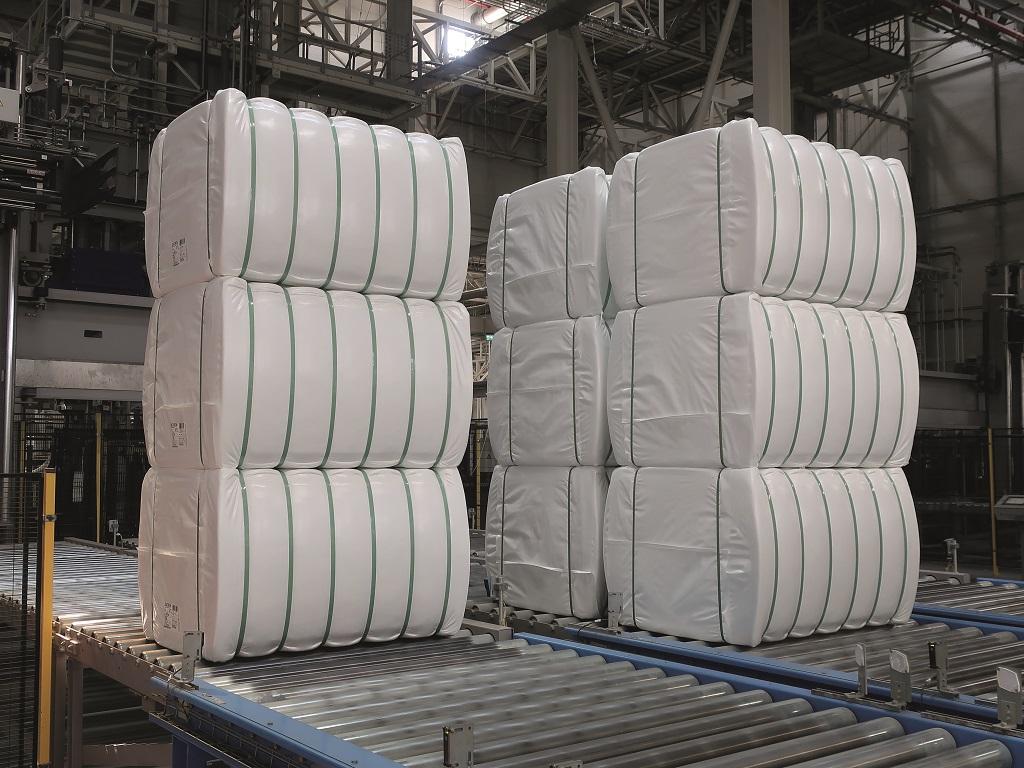
14. Moving from Trial Order to Regular Supply
When a trial meets the agreed technical and commercial requirements, the buyer can begin discussing regular supply.
However, successful performance in one trial does not automatically guarantee consistent results in every future shipment.
Before Approving Repeat Orders
Buyers should confirm:
- Final approved fiber specification
- Quality tolerances
- Lot identification requirements
- Relevant testing and inspection arrangements
- Packaging requirements
- Order quantities
- Delivery schedules
- Commercial terms
- Quality complaint procedures
For recurring purchases, monitoring the first several commercial lots can help evaluate whether the approved performance is repeatable.
Building a Long-Term Supply Relationship
Reliable long-term sourcing depends on clear technical communication, consistent specifications, practical quality control, and agreed commercial expectations.
The objective is not simply to complete one successful trial.
It is to establish a repeatable supply arrangement that supports the buyer’s production requirements.
15. Request a Recycled Polyester Fiber Trial from GDI Textile
GDI Textile supplies recycled polyester staple fiber for industrial textile applications.
For buyers evaluating a new fiber source, the first step is understanding the intended manufacturing process and required material specification.
Depending on the application and available product grades, buyers may discuss recycled polyester staple fiber options such as:
- 1.4D × 38mm
- 2.5D × 51mm
- 3D × 51mm
- 6D × 64mm
- 15D × 76mm
These specifications are examples for technical discussion. Availability, suitability, and trial-order arrangements should be confirmed before purchasing.
Information to Include in Your Inquiry
To help GDI Textile understand your requirements, please share:
- Intended application
- Required fiber denier and cut length
- Color requirements
- Current fiber specification or reference sample
- Estimated trial quantity
- Expected monthly consumption after approval
- Destination country or port
- Any critical technical or quality requirements
Providing this information can help make the initial technical and commercial discussion more efficient.
Planning Your First Recycled Polyester Fiber Trial Order?
Contact GDI Textile to discuss fiber specifications, available grades, sample evaluation, and export supply options.
Website: https://ecomicrofiber.com/
Frequently Asked Questions
What is a recycled polyester fiber trial order?
A recycled polyester fiber trial order is an initial purchase used to evaluate a fiber grade under representative manufacturing conditions before committing to regular supply.
How much recycled polyester fiber should I order for a trial?
The appropriate quantity depends on your equipment, minimum operating batch size, testing requirements, and trial objectives. There is no universal trial quantity for every manufacturer.
Should I request a sample before placing a trial order?
Yes. Preliminary sample evaluation can help identify obvious specification or compatibility issues before purchasing a larger quantity.
What documents should I request before a trial order?
Depending on the application, buyers may request a Technical Data Sheet, agreed product specification, available test results, and relevant supporting documentation.
Can a successful sample guarantee the quality of a full container?
No. A successful sample does not guarantee that every production lot will perform identically. Lot consistency and agreed quality control procedures remain important.
What should I check during a polyester fiber trial?
Check incoming material quality, processing behavior, production waste, finished-product performance, and any deviations from agreed acceptance criteria.
What if the recycled polyester fiber does not perform well during the trial?
Document the issue and investigate whether it relates to fiber characteristics, machine compatibility, processing conditions, or other factors before deciding on the next step.
When should I move from a trial order to regular purchasing?
Regular purchasing can be considered when the fiber meets the buyer’s technical requirements, performs satisfactorily in production, and the supplier’s commercial and quality arrangements are acceptable.
Conclusion
Preparing a recycled polyester fiber trial order requires more than selecting a fiber grade and requesting a quotation.
A successful evaluation begins with clearly defined production requirements, documented technical specifications, representative samples, and measurable trial objectives.
Buyers should then conduct incoming inspections, monitor actual manufacturing performance, evaluate finished-product quality, and review the complete commercial cost.
The purpose of a trial order is not simply to test whether a fiber can be processed. It is to determine whether the material and supplier are suitable for repeatable commercial production.
For international manufacturers evaluating recycled polyester staple fiber, a structured trial process provides a stronger foundation for informed purchasing decisions and long-term supply relationships.