A Practical Logistics and Import Guide for International B2B Buyers
When importing recycled polyester staple fiber products (RPSF), product quality and price are only part of the purchasing decision. Packaging, container loading, shipping arrangements, and export documentation also play an important role in a successful international transaction.
For textile manufacturers, nonwoven producers, mattress factories, and industrial fiber importers, unclear logistics arrangements can result in unexpected costs, customs delays, cargo handling problems, or production interruptions.
A supplier may offer a competitive price per kilogram, but buyers still need to understand how the fiber will be packed, how much material can be shipped, which documents will be provided, and who is responsible for each stage of transportation.
This guide explains recycled polyester staple fiber packaging, container shipping, and export documentation from a practical B2B procurement perspective.
It also provides checklists to help international buyers prepare purchase orders, review shipping arrangements, and coordinate with suppliers and freight forwarders.
1. Why Packaging and Shipping Matter When Buying Recycled Polyester Staple Fiber
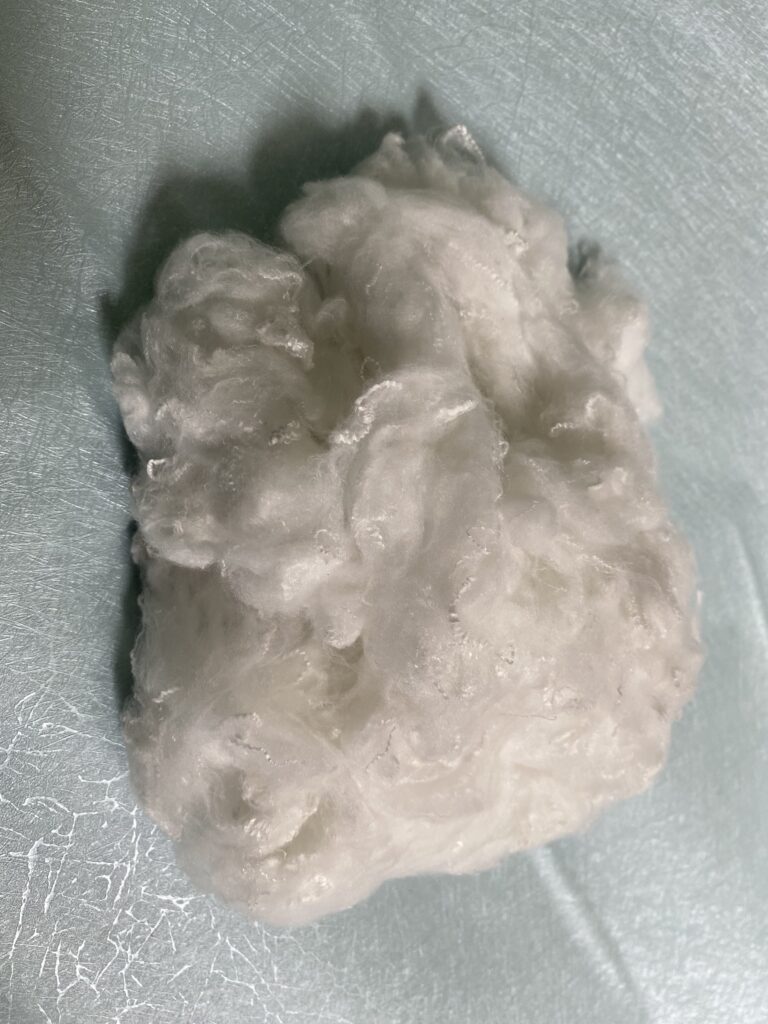
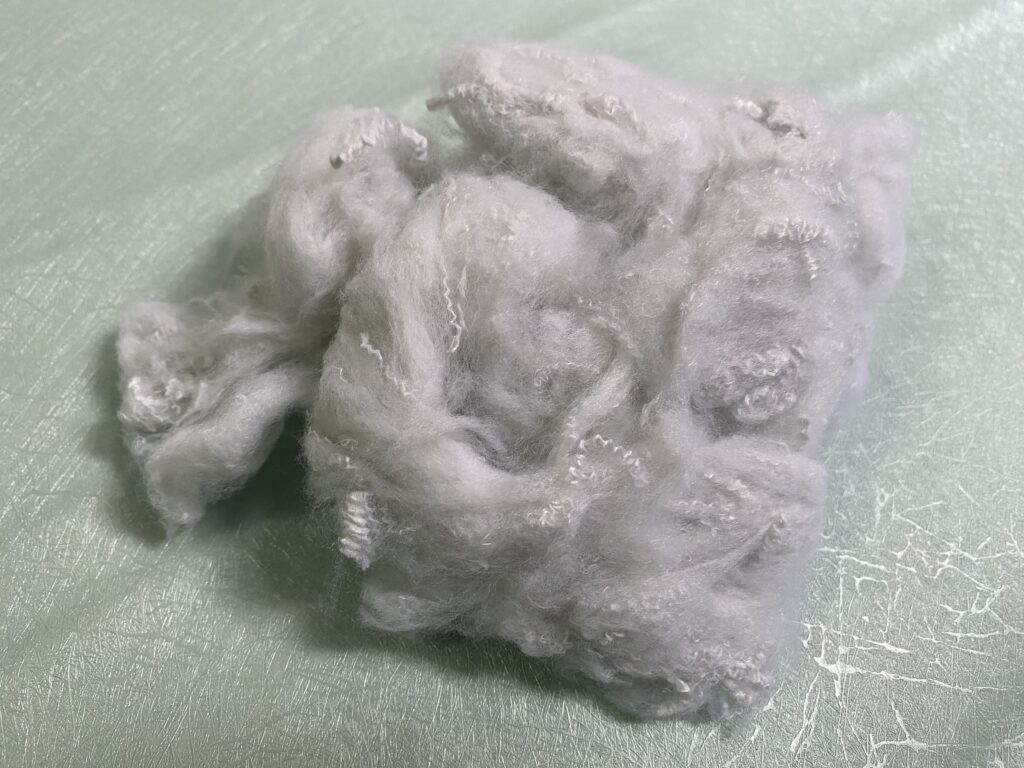
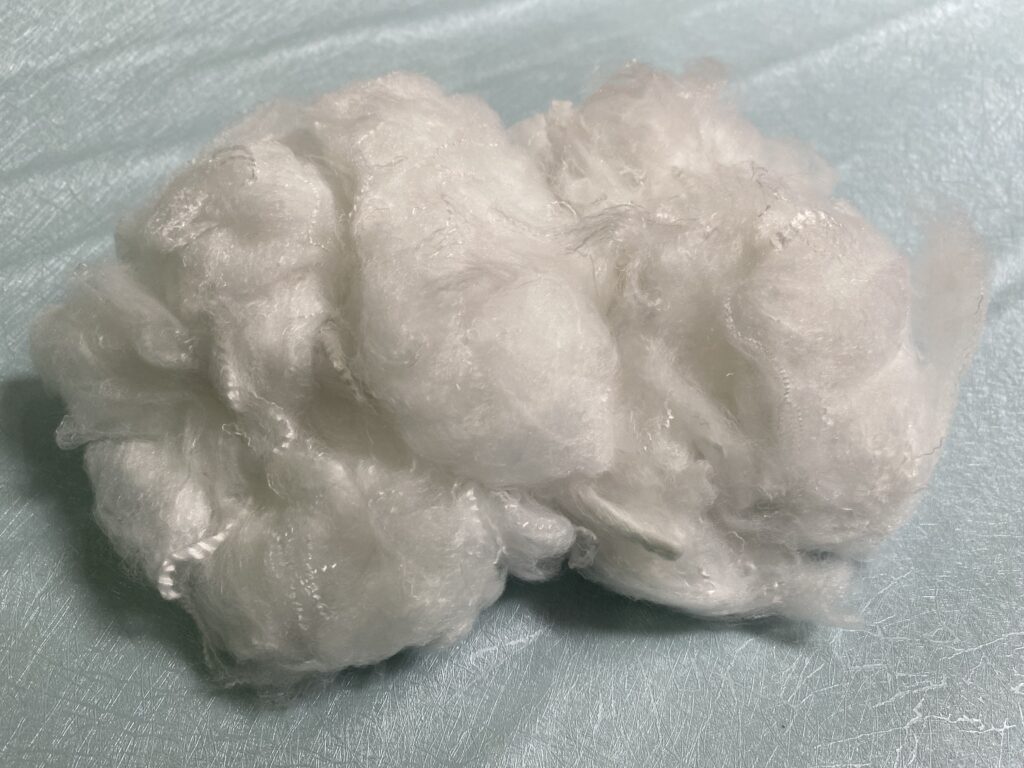
Recycled polyester staple fibers is commonly traded in commercial quantities for industrial manufacturing.
Because staple fiber is a relatively bulky material, its packaging and compression can significantly influence storage, handling, and container utilization.
Poorly planned logistics may create problems such as:
- Inefficient container loading
- Damaged or contaminated packaging
- Higher transportation cost per kilogram
- Difficult warehouse handling
- Unclear shipment quantities
- Missing customs documentation
- Delays in cargo release
- Disputes over shipment conditions
For international procurement teams, packaging and shipping requirements should therefore be discussed before confirming a purchase order.
The objective is not simply to maximize the weight loaded into a container. It is to establish a safe, practical, and commercially efficient shipment that meets the buyer’s operational requirements.
2. How Is Recycled Polyester Staple Fiber Packaged?
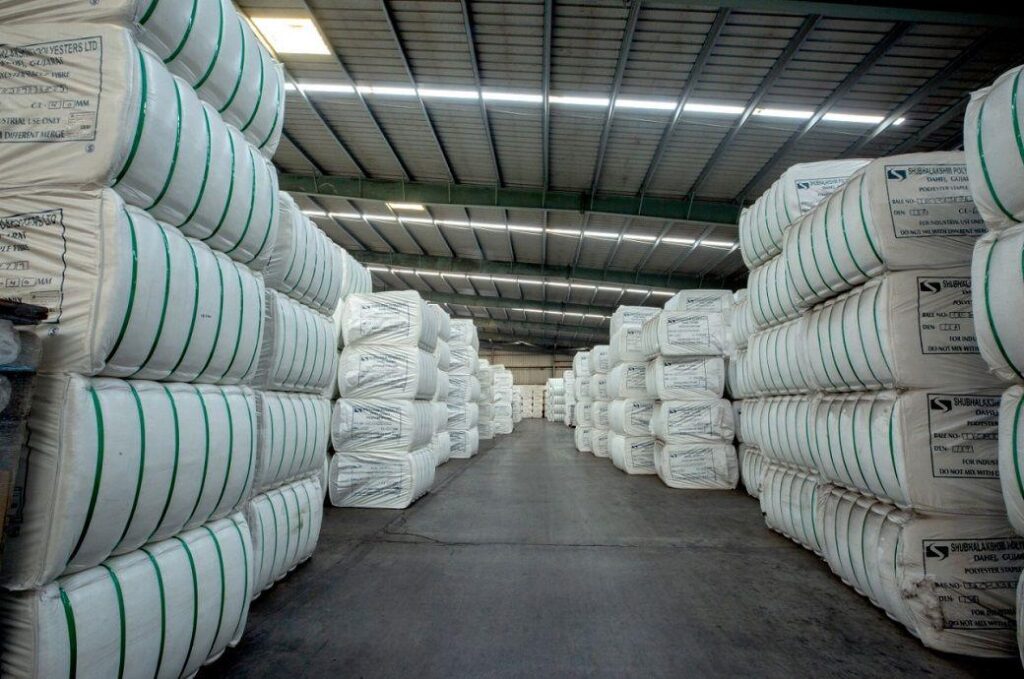
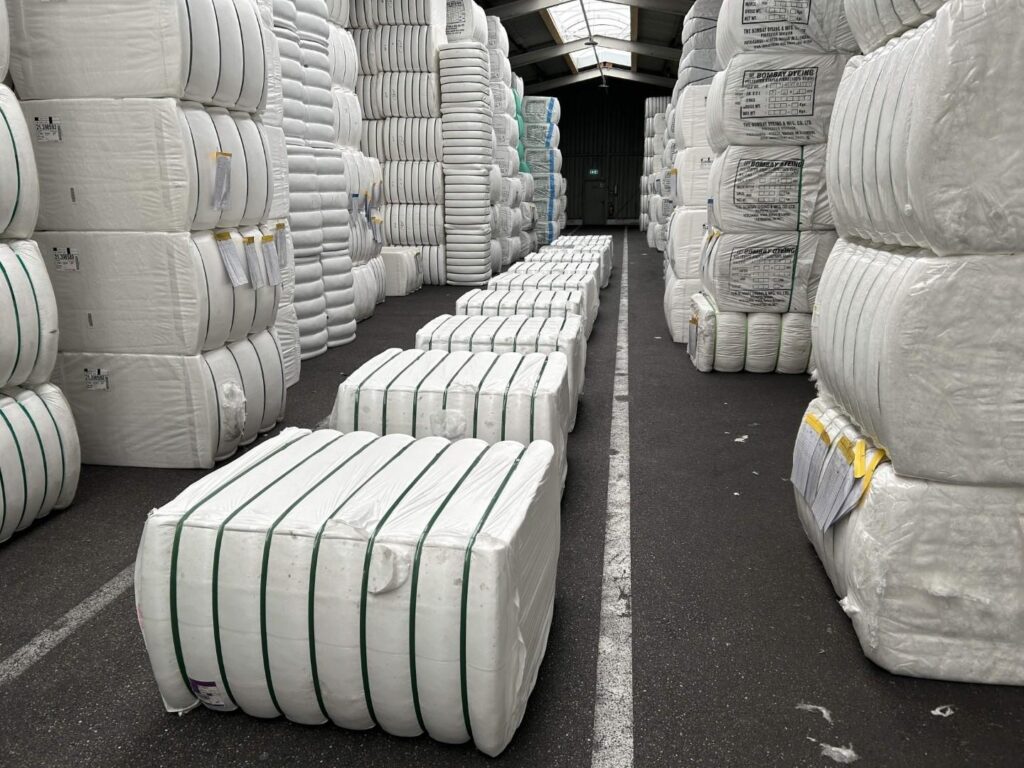
Recycled polyester staple fiber is commonly compressed into bales to reduce volume and facilitate handling.
However, packaging methods can vary according to the fiber grade, manufacturer, equipment, customer requirements, and export arrangements.
Compressed Fiber Bales
During packaging, loose staple fiber is compressed into a bale.
The compressed material is typically secured using suitable strapping or other packaging components.
Depending on the supplier’s packaging system, protective wrapping may also be used.
Compression helps reduce the volume occupied by the fiber during transportation and storage.
However, the degree of compression should be appropriate for the fiber and its intended application.
Protective Packaging
Protective packaging can help reduce exposure to dust, dirt, and handling-related contamination.
Buyers should confirm:
- Packaging material
- Wrapping method
- Strapping arrangement
- Resistance to handling damage
- Protection against moisture exposure
- Labeling and identification requirements
The packaging should be appropriate for the agreed shipping and storage conditions.
Bale Identification
Clear bale identification can support warehouse management and shipment verification.
Depending on the agreed system, labels may include:
- Product name or grade
- Denier and cut length
- Color
- Production lot number
- Net weight
- Bale identification number
- Other buyer-specific information
Not every supplier uses the same labeling format.
If traceability is important to your production process, include the required labeling information in the purchase order.
3. What Is the Standard Bale Weight for Recycled Polyester Fiber?
There is no single bale weight that should be assumed for every recycled polyester staple fiber shipment.
Bale weight depends on the packaging equipment, fiber characteristics, compression process, and supplier’s standard packaging arrangement.
Before placing an order, request confirmation of:
| Packaging Parameter | Information to Request |
|---|---|
| Net weight per bale | Actual fiber weight excluding packaging |
| Gross weight per bale | Total weight including packaging |
| Bale dimensions | Length, width, and height |
| Packaging material | Wrapping and strapping details |
| Bales per container | Estimated loading quantity |
| Total net weight | Total fiber weight in the shipment |
| Total gross weight | Fiber plus packaging and other applicable cargo weight |
| Lot identification | Product and batch traceability |
For example, if a supplier provides the net weight per bale and the number of bales, the buyer can calculate the estimated net shipment weight.
Total net fiber weight = Number of bales × Net weight per bale
This calculation should be based on the supplier’s confirmed packaging information rather than an assumed industry-wide bale weight.
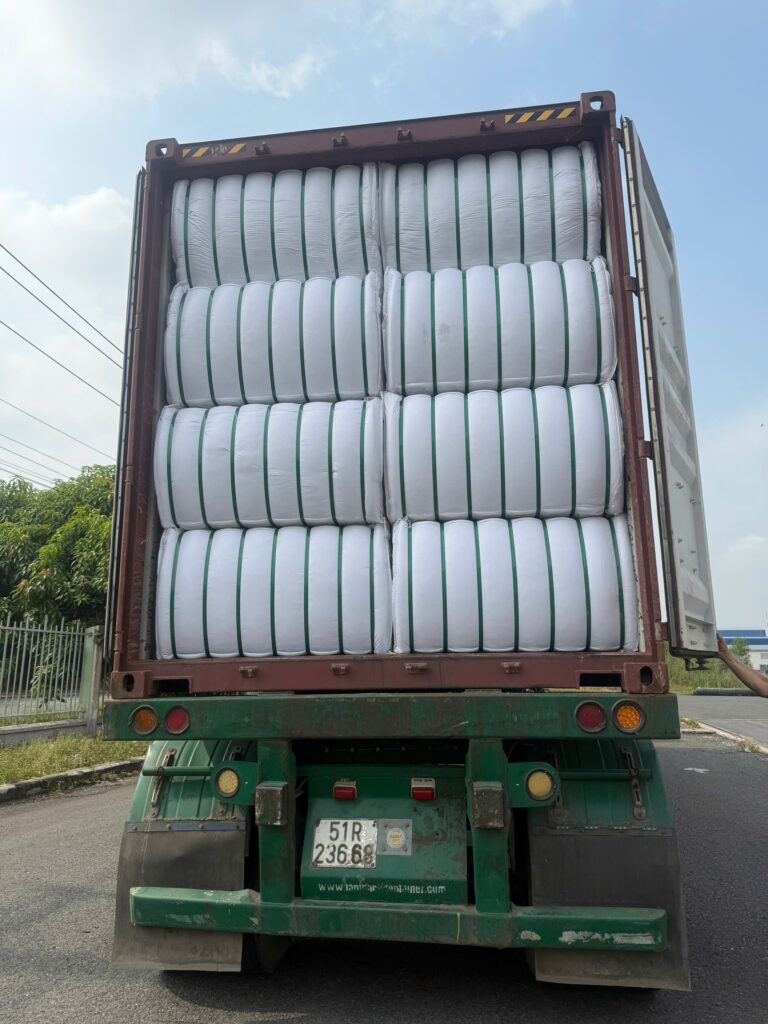
4. How Much Recycled Polyester Staple Fiber Fits in a Container?
Container loading is one of the most common questions international RPSF buyers ask.
However, a fixed loading quantity should not be applied to every shipment.
The achievable loading quantity depends on several factors.
Fiber Characteristics
Different fiber grades may have different bulk and compression behavior.
Fine-denier fibers, coarser fibers, and different fiber structures may not behave identically during bale compression.
Bale Dimensions and Compression
The size and shape of the compressed bales influence how they can be arranged inside the container.
Packaging strength and safe stacking arrangements also matter.
Container Type
The internal dimensions and maximum permitted payload depend on the actual container equipment.
Common container options include 20-foot and 40-foot units, including high-cube containers where available.
The selected container must be appropriate for the cargo and shipping arrangements.
Weight and Transport Restrictions
The cargo must comply with applicable container payload limits, road transport restrictions, axle-weight limits, and other operational requirements.
A container may reach its usable volume limit before reaching its maximum permissible cargo weight.
Loading Method
Manual handling, forklifts, loading equipment, and bale arrangement can affect operational efficiency.
The supplier and logistics provider should establish a suitable loading plan.
What Buyers Should Request
Ask the supplier to confirm:
- Container type
- Estimated number of bales
- Net weight per bale
- Total estimated net cargo weight
- Total estimated gross cargo weight
- Loading method
- Any relevant handling restrictions
Important: The final shipment quantity should be confirmed against the actual packaging plan, container specifications, and applicable transport limits.
5. Packaging Requirements for Different Fiber Applications
Packaging requirements may vary according to the buyer’s manufacturing process.
Yarn Spinning
Spinning mills may prioritize fiber cleanliness, consistent identification, and controlled handling.
Where fiber blending or lot separation is important, buyers should request clear bale and batch identification.
Nonwoven Manufacturing
Nonwoven manufacturers may need packaging that supports efficient bale opening and material feeding.
Packaging components has to managed to prevent contamination during production.
Mattress and Furniture Padding
For filling and padding applications, buyers may pay particular attention to fiber bulk, compression recovery, and storage conditions.
The effects of compression and storage should be evaluated for the specific fiber grade.
Automotive and Industrial Textiles
Manufacturers supplying technically demanding industries may require additional traceability or quality documentation.
Any special requirements should be agreed before shipment.
6. Common Shipping Methods for Recycled Polyester Staple Fiber
For large international orders, sea freight is often a practical transportation option.
The appropriate shipping method depends on the shipment size, destination, urgency, and commercial arrangement.
Full Container Load (FCL)
FCL shipments use a container allocated to one shipment arrangement.
This may be suitable for buyers purchasing commercial quantities of recycled polyester staple fiber.
Potential advantages include:
- More control over the loading arrangement
- Reduced need for cargo consolidation
- Clearer shipment identification
- Potentially efficient transportation for larger orders
However, the buyer should still evaluate freight costs, container availability, and shipment scheduling.
Less Than Container Load (LCL)
LCL shipments involve consolidation with other cargo.
They consider for smaller shipments when available and commercially practical.
However, additional handling, consolidation costs, and packaging considerations may apply.
LCL suitability should be confirmed with the freight forwarder.
Air Freight
Air freight consider for urgent samples or limited quantities.
For bulky commercial shipments of staple fiber, air freight may be less economical because of transportation costs and chargeable-weight calculations.
The best option depends on the shipment’s commercial value and urgency.
7. Understanding FOB, CFR, CIF, and Other Incoterms
International fiber quotations often use Incoterms to define delivery responsibilities, costs, and risk allocation.
Buyers should specify the relevant rule, named place or port, and version of Incoterms.
FOB — Free On Board
Under FOB, the seller delivers the goods on board the vessel nominated by the buyer at the named port of shipment.
Risk transfers when the goods are on board the vessel.
The buyer generally arranges and pays for the main ocean freight.
FOB is intended for sea and inland waterway transport.
CFR — Cost and Freight
Under CFR, the seller arranges and pays for transportation to the named destination port.
However, risk generally transfers when the goods are loaded on board the vessel at the port of shipment.
The distinction between cost responsibility and risk transfer is important.
CIF — Cost, Insurance and Freight
Under CIF, the seller arranges and pays for freight to the named destination port and obtains cargo insurance meeting the rule’s minimum requirements.
Risk generally transfers when the goods are on board the vessel at the port of shipment.
Buyers should review the insurance coverage and request additional protection if necessary.
FCA — Free Carrier
FCA is suitable for certain containerized shipments, depending on the agreed delivery arrangements.
Under FCA, the seller delivers the goods to the carrier or another person nominated by the buyer at the named place, as specified by the rule.
DAP — Delivered at Place
Under DAP, the seller delivers the goods to the named destination, ready for unloading, subject to the rule’s allocation of responsibilities.
Import clearance and import duties are generally the buyer’s responsibility unless otherwise agreed under a different arrangement.
Incoterms Comparison
| Incoterm | Main Freight Arranged by | Important Consideration |
|---|---|---|
| FOB | Buyer | Risk transfers on board the vessel |
| CFR | Seller | Seller pays freight, but risk transfers at shipment |
| CIF | Seller | Includes minimum required cargo insurance |
| FCA | Buyer, generally | Delivery occurs at the agreed carrier handover point |
| DAP | Seller | Seller arranges transport to the named destination |
For containerized cargo, buyers should discuss whether FCA or another rule better reflects the actual handover arrangement rather than automatically choosing FOB.
Always identify the named place or port and refer to Incoterms® 2020 when that is the agreed version.
Incoterms do not independently determine payment terms, ownership transfer, or every contractual responsibility.
8. Essential Export Documents for Recycled Polyester Staple Fiber
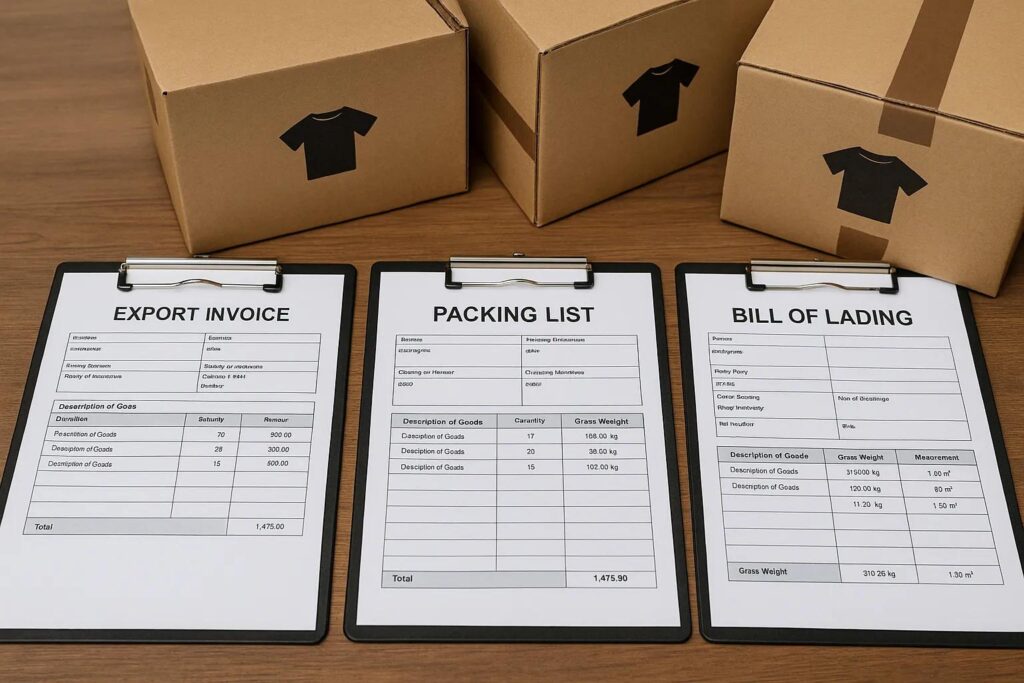
Export and import documentation is a critical part of international fiber purchasing.
The exact document set depends on the exporting country, importing country, customs classification, transportation method, payment arrangement, and contractual requirements.
The following documents are commonly relevant.
8.1 Commercial Invoice
The commercial invoice records key transaction information.
It commonly includes:
- Seller and buyer details
- Invoice number and date
- Product description
- Quantity and unit of measurement
- Unit price
- Total invoice value
- Currency
- Agreed delivery terms
- Other information required for customs or payment
Buyers should verify that the commercial invoice matches the agreed purchase order and other shipping documents.
8.2 Packing List
The packing list provides information about the physical shipment.
It may include:
- Product description
- Number of bales
- Net weight
- Gross weight
- Packaging details
- Shipping marks
- Container information, where available
The packing list helps freight forwarders, customs authorities, warehouse operators, and buyers verify the cargo.
8.3 Bill of Lading
For ocean shipments, the bill of lading is an important transport document.
Depending on the form and terms, it can serve as evidence of receipt, evidence of the contract of carriage, and, in certain cases, a document of title.
Buyers should check:
- Shipper
- Consignee
- Notify party
- Port of loading
- Port of discharge
- Cargo description
- Container and seal details
- Number of packages
- Relevant shipment references
The parties should agree whether an original bill of lading, sea waybill, or an appropriate electronic or release arrangement will be used.
8.4 Certificate of Origin
A Certificate of Origin may be required for customs purposes or to support a preferential tariff claim.
The relevant form and issuing requirements depend on the destination country and applicable trade agreement.
A preferential Certificate of Origin is not automatically available for every shipment.
Buyers should confirm the applicable origin rules and documentary requirements before placing an order.
8.5 Export Customs Declaration
An export customs declaration may be required under the exporting country’s customs procedures.
The exporter or its authorized representative generally handles the export declaration according to the applicable legal and contractual arrangements.
The buyer should clarify whether a copy or reference is required for internal compliance or transaction records.
8.6 Technical Data Sheet
A Technical Data Sheet (TDS) can help the buyer confirm the fiber’s declared technical characteristics.
Depending on the product and supplier, it may include:
- Denier
- Cut length
- Color
- Fiber structure
- Mechanical properties
- Other relevant characteristics
A TDS should be treated as product information, not automatically as a shipment-specific test certificate.
8.7 Quality Inspection or Test Report
Some buyers request a quality report associated with the shipment or production lot.
The report may include agreed test results or inspection information.
Buyers should specify which parameters, test methods, and lot references are required.
The availability and scope of testing must be confirmed with the supplier.
8.8 Recycled-Content or Certification Documentation
Some customers require evidence supporting recycled-content claims.
This may involve supplier declarations, traceability records, or certification documents, depending on the applicable scheme and purchasing requirements.
For example, where Global Recycled Standard (GRS) documentation is required, the buyer should verify the relevant certification scope and any transaction documentation applicable to the specific supply chain.
Recycled polyester staple fiber is not automatically GRS-certified simply because recycled raw materials are used.
Any certification or recycled-content claim should be supported by valid, applicable evidence.
9. Are All Export Documents Mandatory?
Not every document listed above is mandatory for every international RPSF shipment.
Document requirements vary by:
- Country of export
- Country of import
- Product customs classification
- Applicable trade agreements
- Shipping method
- Payment arrangement
- Customer requirements
- Local regulations
For example, a buyer may require additional documents for a letter-of-credit transaction, while another transaction may use a different documentation arrangement.
Similarly, a Certificate of Origin may be required or commercially beneficial in one case but unnecessary in another.
The supplier, buyer, customs broker, freight forwarder, and relevant authorities should confirm the actual requirements for the shipment.
10. HS Code and Customs Classification for Polyester Staple Fiber
Correct customs classification is important for international trade.
The Harmonized System (HS) is used to classify goods for customs purposes.
However, the correct classification of recycled polyester staple fiber depends on the actual product characteristics and the applicable tariff schedule.
Factors may include:
- Whether the product is a staple fiber or another textile form
- Fiber composition
- Processing condition
- Product presentation
- The importing country’s tariff classification rules
The fact that a product is recycled does not, by itself, determine a unique customs code.
Buyers should not rely on a supplier’s informal HS code description without checking the applicable import requirements.
Before shipment, confirm the classification with a qualified customs broker or the relevant customs authority.
This helps reduce the risk of incorrect duty calculations, customs delays, or documentation inconsistencies.
11. What Buyers Should Check Before Container Loading
A pre-loading review helps ensure that the cargo corresponds to the purchase order.
The buyer and supplier should agree on the required inspection process.
Product Verification
Confirm that the shipment matches the approved:
- Product grade
- Denier
- Cut length
- Color
- Fiber structure
- Order quantity
- Quality requirements
Packaging Verification
Check the agreed bale packaging, labels, and identification.
Container Condition
The loading party should inspect the container for suitability, including cleanliness, dryness, structural condition, and signs of contamination or water ingress.
Any unsuitable condition should be addressed before loading.
Loading Plan
Confirm that the loading arrangement is compatible with the container and applicable weight restrictions.
Container Seal
Where a seal is used, record the seal number and ensure it is reflected correctly in the relevant shipping records.
Loading Evidence
Depending on the contract, buyers may request loading photographs, a loading report, or independent inspection.
These arrangements should be agreed in advance rather than assumed to be included automatically.
12. Common Shipping Problems and How to Reduce Them
Packaging Damage
Damaged wrapping or strapping can create handling difficulties or increase contamination exposure.
Recommended approach: Agree on suitable packaging requirements and inspect cargo condition before dispatch.
Moisture Exposure
Water ingress or unsuitable storage conditions can affect packaging and cargo handling.
Recommended approach: Use appropriate protective measures and verify container condition before loading.
Incorrect Shipment Quantity
Differences between ordered, packed, and documented quantities can create commercial disputes.
Recommended approach: Reconcile bale counts, net weight, gross weight, and packing list information.
Inconsistent Documents
Differences between invoice, packing list, and transport documents can delay customs or banking procedures.
Recommended approach: Review key document details before final issuance.
Unexpected Destination Charges
Freight quotations may exclude certain terminal, customs, storage, or local handling charges.
Recommended approach: Clarify the Incoterm, included services, and potential destination costs before confirming the order.
Shipping Delays
Vessel schedules, port operations, documentation issues, and other factors may affect delivery timing.
Recommended approach: Allow realistic planning time and maintain communication with the supplier and logistics provider.
13. Recycled Polyester Fiber Shipping Checklist for International Buyers
Use this checklist before confirming a shipment.
Product and Packaging
- Confirm product grade and technical specification
- Confirm net weight per bale
- Confirm gross weight and bale dimensions
- Confirm packaging and labeling
- Confirm production lot identification
- Confirm total shipment quantity
Container and Logistics
- Confirm container type
- Confirm estimated loading quantity
- Confirm loading plan and weight limits
- Confirm Incoterm and named place
- Confirm port of loading and destination
- Confirm freight arrangement
- Confirm estimated shipment schedule
- Confirm cargo insurance responsibilities
Export and Import Documents
- Commercial invoice
- Packing list
- Bill of lading or applicable transport document
- Certificate of Origin, if required
- Export declaration or reference, if needed
- Technical Data Sheet, if required
- Quality inspection or test records, if agreed
- Applicable certification or recycled-content documents
- Correct customs classification
- Any additional destination-specific documents
Before Payment and Cargo Release
- Check document consistency
- Confirm shipment references
- Confirm payment obligations
- Confirm document release arrangements
- Coordinate customs clearance with the import agent
- Arrange cargo collection and warehouse receiving
14. Example Shipping Information Request to an RPSF Supplier
Subject: Shipping and Export Documentation Inquiry – Recycled Polyester Staple Fiber
Dear Sales Team,
We are reviewing the logistics requirements for a potential recycled polyester staple fiber order.
Please provide the following information for our evaluation:
Product: Recycled Polyester Staple Fiber
Specification: [Denier × Cut Length]
Color: [Required Color]
Quantity: [Estimated Order Quantity]
Destination: [Country and Port]
Requested Incoterm: [FOB / CIF / FCA / Other]
Could you please confirm:
- Standard bale packaging and dimensions
- Net and gross weight per bale
- Estimated loading quantity per container
- Available container arrangements
- Estimated production and shipment lead time
- Standard export document package
- Availability of technical and quality documentation
- Certificate of Origin options, where applicable
- Available recycled-content or certification documentation, if required
- Any additional logistics information we should consider
We would appreciate your confirmation so that we can evaluate the total purchasing and import arrangements.
Best regards,
[Name]
[Company]
[Country]
15. Sourcing Recycled Polyester Staple Fiber From Vietnam
Vietnam is a sourcing option for international textile manufacturers and industrial fiber importers evaluating recycled polyester staple fiber.
When selecting a supplier, buyers should consider technical specifications, quality consistency, packaging arrangements, and export coordination.
At Eco Micro Fiber / GDI Textile, we welcome international inquiries for recycled polyester staple fiber and related industrial textile applications.
Our team can discuss:
- Required denier and cut length
- White or black fiber requirements
- Intended manufacturing application
- Trial and commercial order quantities
- Packaging requirements
- Destination country and port
- Requested quotation basis
- Applicable technical and export documentation requirements
Specific packaging configurations, container loading quantities, shipment schedules, and document availability should be confirmed for each order.
For quotations and export inquiries:
GDI Textile – Vietnam
Email: [email protected]
Website: https://ecomicrofiber.com/
Please send your required specifications, quantity, and destination so our team can review your inquiry.
Frequently Asked Questions
How is recycled polyester staple fiber usually packed for export?
It is commonly compressed into bales for transportation and storage. Packaging materials, bale dimensions, and bale weights vary by supplier and product grade.
How many tons of recycled polyester staple fiber fit in a 40-foot container?
There is no universal loading quantity. The achievable weight depends on bale dimensions, compression, container capacity, loading method, and transport restrictions. Buyers should request a confirmed loading plan from the supplier.
What documents are needed to import recycled polyester staple fiber?
Common documents include a commercial invoice, packing list, and applicable transport document. Other requirements, such as a Certificate of Origin, technical records, or certification documents, depend on the shipment and destination.
Is a Certificate of Origin always required?
No. Requirements depend on the importing country, customs procedures, trade agreement, and buyer’s commercial arrangements.
Does recycled polyester fiber require a GRS certificate for export?
Not universally. Certification requirements depend on the buyer, destination, applicable claims, and supply-chain arrangements. Where certification is required, the relevant documentation should be verified.
What is the difference between FOB and CIF for polyester fiber shipments?
Under FOB, the buyer generally arranges the main ocean freight after the seller delivers the goods on board at the named shipment port. Under CIF, the seller arranges and pays for freight and minimum required insurance to the named destination port, although risk generally transfers when the goods are loaded on board at origin.
Should buyers request a packing list before shipment?
Yes. Reviewing a draft packing list can help buyers confirm bale counts, shipment weight, packaging information, and other relevant details before final documents are issued.
Can recycled polyester staple fiber be shipped by LCL?
It may be possible, depending on shipment size, packaging, route, and freight-forwarder arrangements. Buyers should confirm commercial and handling feasibility before selecting LCL.
Conclusion
Successful international purchasing requires careful coordination of recycled polyester staple fiber packaging, shipping, and export documentation.
For B2B buyers, the most important steps are to confirm the actual bale specifications, establish a safe container loading plan, agree on delivery responsibilities, and verify the required documents before shipment.
Clear communication between the supplier, buyer, freight forwarder, and customs broker can help reduce unnecessary delays and improve purchasing efficiency.
If you are sourcing recycled polyester staple fiber from Vietnam, contact GDI Textile with your fiber specification, estimated order quantity, and destination to discuss product availability and export requirements.
Request a Quotation: [email protected]