
A Practical Request for Quotation Guide for International Textile Buyers, Importers, and Procurement Teams
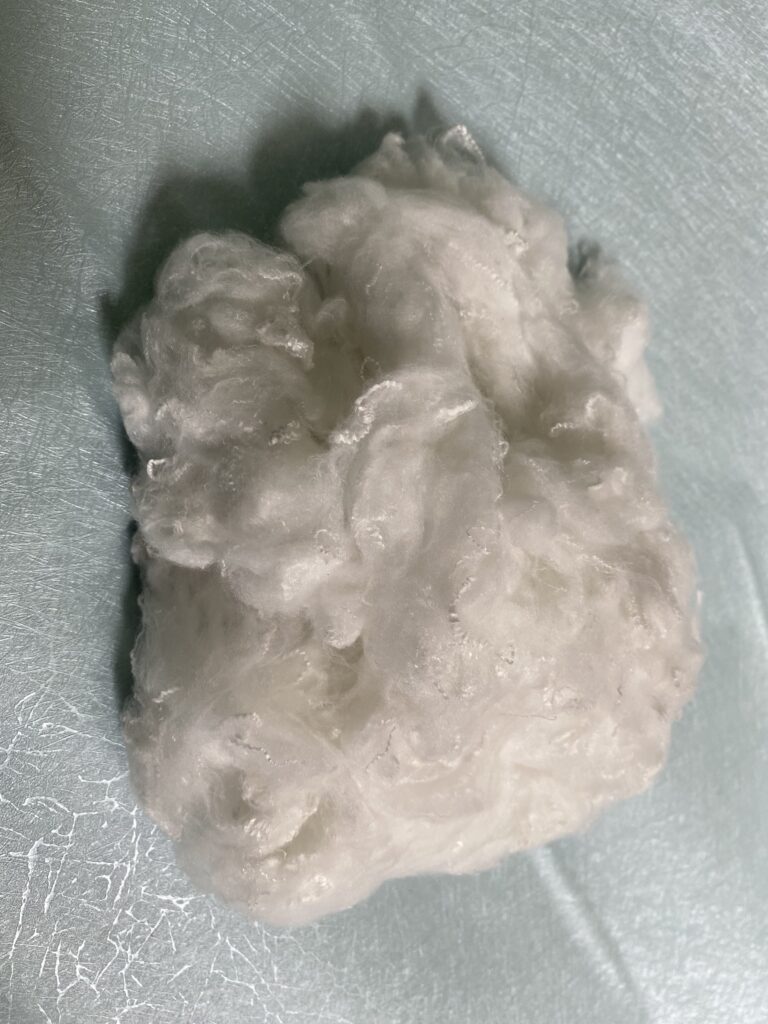
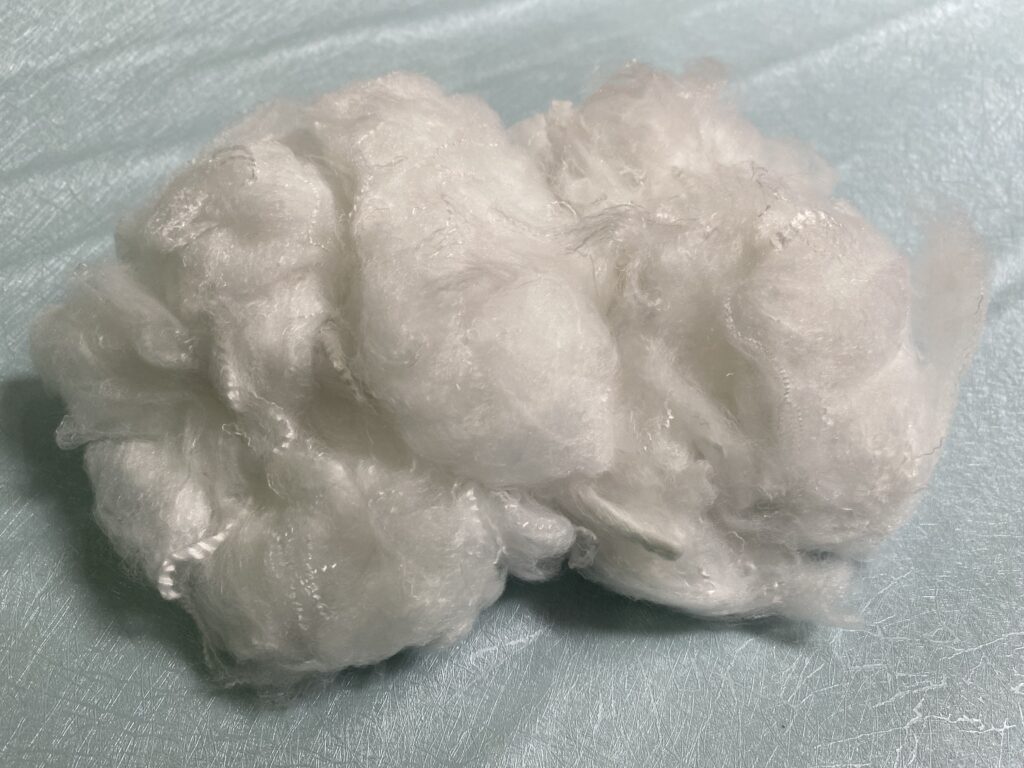
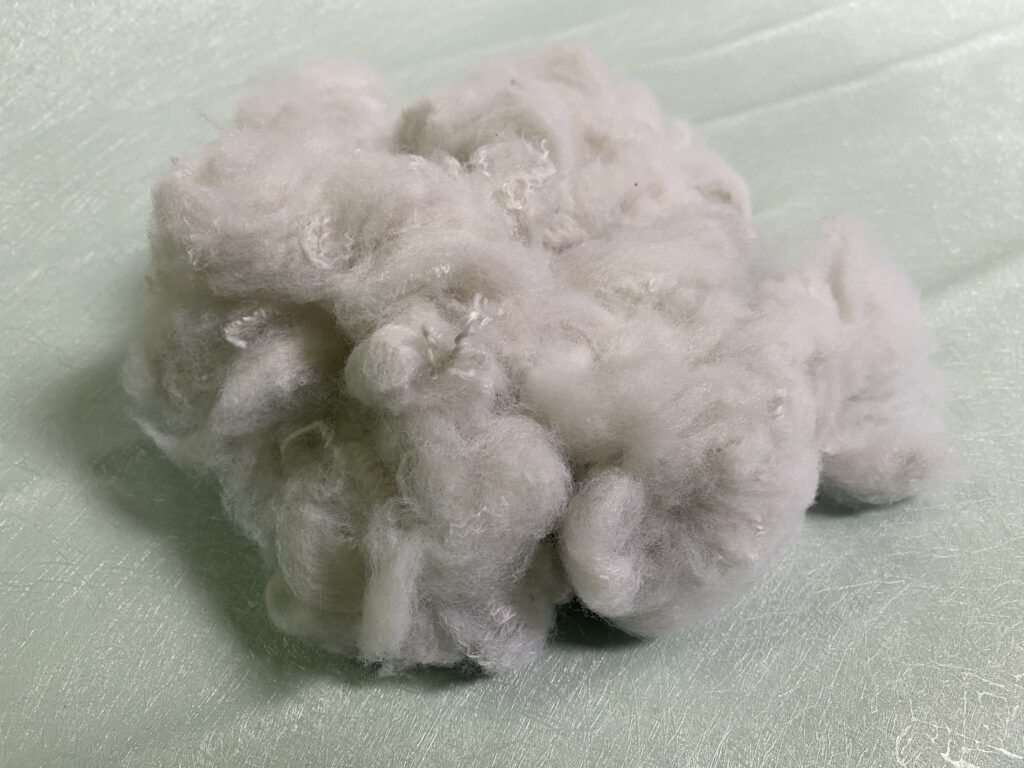
When sourcing recycled polyester staple fiber (RPSF), sending a clear Request for Quotation (RFQ) is one of the most effective ways to start a productive discussion with potential suppliers.
A message asking only, “What is your best price for recycled polyester fiber?” may not provide enough information for a supplier to prepare an accurate quotation.
Recycled polyester staple fiber is available in different deniers, cut lengths, colors, fiber structures, and finishes. Commercial conditions such as order quantity, packaging, delivery terms, and destination also influence the quotation.
For international B2B buyers, a well-prepared RFQ helps suppliers understand the intended application, identify suitable fiber grades, and provide comparable technical and commercial offers.
This guide explains what to include in an RFQ for recycled polyester staple fiber, with a practical purchasing checklist, quotation comparison framework, and ready-to-use RFQ email template.
What Is an RFQ for Recycled Polyester Staple Fiber?
An RFQ, or Request for Quotation, is a formal purchasing inquiry sent to one or more suppliers requesting pricing and commercial terms for a defined product.
For recycled polyester staple fiber products, an RFQ typically includes:
- Fiber type and technical specifications
- Intended manufacturing application
- Required quantity
- Quality and documentation requirements
- Packaging preferences
- Shipping destination and Incoterms
- Target delivery schedule
- Payment and quotation requirements
An RFQ is different from a general product inquiry.
A general inquiry may ask what products a supplier offers. An RFQ should provide enough information for the supplier to propose a specific material and commercial offer.
If the buyer has not finalized the fiber specification, the inquiry may begin as a Request for Information (RFI) or technical consultation before moving to a formal RFQ.
Why a Detailed RFQ Matters for International Fiber Buyers
Two suppliers may quote different prices for materials described under the same broad product name.
However, the quotations may not refer to equivalent products.
For example, differences may exist in:
- Nominal denier and cut length
- Fiber structure
- Color and cleanliness requirements
- Surface finish
- Quality tolerances
- Packaging
- Order volume
- Delivery basis
- Shipment timing
Without a consistent RFQ, buyers may compare prices that are not directly comparable.
A structured inquiry helps reduce this problem and creates a written reference for subsequent sampling, negotiations, and purchase orders.
It can also reduce the number of clarification emails required before a supplier can prepare an offer.
1. Identify the Required Fiber Type
Begin your RFQ by identifying the material you intend to purchase.
The description should be more specific than “recycled fiber” or “polyester fiber.”
Useful information may include:
- Recycled polyester staple fiber
- Recycled polyester microfiber, if applicable
- Solid or hollow fiber structure
- Siliconized or non-siliconized finish, where relevant
- White, black, or another required color
Not every supplier offers every fiber structure or finish.
If you are unsure which grade is suitable, state your intended application and request a technical recommendation instead of guessing.
Example RFQ Description
Product: Recycled Polyester Staple Fiber (RPSF)
Fiber structure: Solid, subject to confirmation
Color: White
Application: Needle-punched nonwoven manufacturing
This example illustrates how a buyer can communicate requirements. It is not a statement that a particular supplier has the specified grade available.
2. Specify Denier and Cut Length
Denier and cut length are among the most important technical parameters in an RPSF quotation.
Denier describes the fiber’s linear density, while cut length describes the nominal length of the individual staple fibers.
These characteristics can influence downstream processing and finished-product performance.
For example, different spinning, carding, nonwoven, and filling systems may require different fiber specifications.
Your RFQ should identify:
- Required nominal denier
- Required cut length in millimeters
- Acceptable tolerances, if already established
- Whether alternative specifications may be proposed
Example
Requested specification: 1.4D × 38 mm
Color: White
Alternative grades: Please indicate if available
This is an illustrative purchasing specification, not a universal recommendation.
If your production process already uses a particular fiber grade successfully, providing its technical data sheet or approved specification can help suppliers assess equivalence.

3. Explain the Intended Manufacturing Application
A recycled polyester fiber supplier can evaluate your inquiry more effectively when the end use is clearly identified.
Common applications include:
- Yarn spinning and blended yarn production
- Needle-punched nonwovens
- Thermally bonded nonwovens
- Mattress padding and wadding
- Furniture padding
- Automotive carpet and felt
- Geotextiles
- Cleaning textiles
Different applications can require different combinations of fiber properties.
In spinning mills, buyers may need to discuss yarn count, spinning system, and blending requirements.
For nonwoven factories, relevant details may include web formation, bonding method, and finished-material performance.
For bedding manufacturers, bulk, loft, resilience, and compression recovery may be important.
What to Include
Provide a short description of:
- The finished product
- The production process
- Existing fiber specifications, if available
- Any critical manufacturing or performance requirements
This information helps suppliers determine whether the proposed fiber is appropriate for your process.
4. Define Quality and Technical Acceptance Requirements
A nominal specification alone may not fully describe the material a buyer needs.
Depending on the application, additional technical requirements may include:
| Parameter | Why buyers may request it |
|---|---|
| Tensile strength | Fiber resistance to breaking |
| Elongation | Mechanical behavior during processing |
| Crimp | Fiber cohesion, opening and bulk characteristics |
| Cut-length consistency | More predictable downstream processing |
| Color or whiteness | Visual consistency |
| Impurity level | Cleanliness and contamination control |
| Moisture condition | Material handling and storage |
| Surface finish | Friction, static behavior and process compatibility |
| Batch consistency | Repeatability between production lots |
Not every parameter is equally important for every application.
Buyers should identify which characteristics are mandatory and which are preferences.
Where measurable acceptance criteria are required, the RFQ should specify the agreed test method, tolerance, and documentation expectations.
Avoid vague requirements such as “premium quality” or “very strong fiber” without explaining how quality will be evaluated.
5. State the Required Order Quantity
Quantity is a critical part of a commercial quotation.
Suppliers may need to evaluate production planning, packaging, loading arrangements, and shipping costs based on the requested volume.
Your RFQ should clarify whether the inquiry concerns:
- A small trial order
- An initial commercial order
- One or more containers
- A recurring monthly supply program
- A long-term purchasing agreement
Example
Initial requirement: One trial container, subject to sample approval
Estimated ongoing demand: To be confirmed after successful production trials
If you already know your expected monthly consumption, include it.
However, do not commit to a recurring volume before your organization has approved the purchasing plan.
It is also useful to ask the supplier for its minimum order quantity (MOQ).
6. Confirm Packaging and Loading Requirements
Recycled polyester staple fiber is often supplied in compressed bales, but packaging formats and loading arrangements vary.
Your RFQ should ask the supplier to confirm:
- Packaging type
- Net weight per bale
- Gross weight per bale, if relevant
- Bale dimensions
- Number of bales per container
- Estimated net shipment weight
- Container type
- Packaging protection and labeling
Do not assume a standard container loading quantity without checking the actual product and packaging arrangement.
Loading quantities may vary with fiber characteristics, bale compression, container limitations, and shipping requirements.
For warehouse and production planning, buyers may also need information about unloading and storage conditions.

7. Specify the Incoterm and Delivery Location
International quotations should clearly state the requested delivery basis.
Common Incoterms used in international trade include:
- EXW (Ex Works): The buyer takes on extensive collection and transportation responsibilities from the named place.
- FOB (Free On Board): Used for sea or inland waterway transport, with the seller delivering goods on board the vessel at the named port of shipment.
- CFR (Cost and Freight): The seller arranges and pays freight to the named destination port, while risk transfers earlier under the rule.
- CIF (Cost, Insurance and Freight): Similar to CFR, with the seller also providing insurance meeting the rule’s minimum requirements.
- DAP (Delivered at Place): The seller delivers to a named destination, subject to the responsibilities defined by the rule.
The correct Incoterm depends on the transportation arrangement and commercial agreement.
Example
Requested quotation basis: FOB Ho Chi Minh City area, Vietnam — named port to be confirmed
Alternative quotation: CIF to buyer’s nominated destination port
Applicable rules: Incoterms® 2020
When requesting FOB, CFR, or CIF, specify the appropriate named port.
Remember that Incoterms allocate delivery responsibilities, costs, and risks; they do not determine payment terms or transfer of ownership by themselves.
If comparing multiple suppliers, ask each to quote on the same delivery basis.
8. Include the Destination Country and Port
Your supplier needs to know where the goods will be shipped.
At a minimum, provide:
- Destination country
- Destination seaport or delivery location
- Preferred transportation mode
- Any special delivery requirements
If the final destination is not yet confirmed, state that clearly.
For example:
Destination: Port of Manzanillo, Mexico
Quotation requested: FOB origin and CIF Manzanillo, if available
This allows the supplier to distinguish the product price from freight-related costs.
Freight rates and shipment availability should be confirmed when the quotation is prepared.
9. State the Required Delivery Schedule
A useful RFQ includes the buyer’s expected shipment timing.
For example:
Target shipment: Within the agreed period after purchase order confirmation and completion of required commercial conditions.
You may also ask the supplier to specify:
- Production lead time
- Material availability
- Estimated dispatch date
- Shipment schedule
- Whether partial shipments are possible
- Quotation validity period
Avoid assuming that all fiber grades are available for immediate shipment.
For repeat orders, discuss forecast sharing and order planning.
10. Clarify Payment Terms and Currency
Payment conditions can materially affect the commercial offer.
Your RFQ should identify the preferred currency and payment arrangement, if your company has established requirements.
For example:
Quotation currency: USD
Preferred payment terms: Please advise available options
Common international payment methods may include telegraphic transfer and documentary letters of credit, subject to the parties’ agreement.
The final payment structure should be evaluated in light of supplier relationships, banking costs, commercial risk, and internal procurement policies.
A buyer should not assume that a particular payment term is available without supplier confirmation.
11. Request Samples and a Technical Data Sheet
Before placing a substantial order with a new supplier, consider requesting a representative sample.
A sample allows your technical team to evaluate the material under relevant conditions.
Your RFQ can ask for:
- Product sample availability
- Sample quantity and packaging
- Technical Data Sheet (TDS)
- Available test results
- Production lot identification
- Sample shipping arrangements
- Sample cost, if applicable
Where practical, conduct a trial using your actual manufacturing equipment.
A successful sample test should be followed by a clear agreement on the specifications and quality criteria for bulk shipments.
A sample is not, by itself, a guarantee that every future production lot will be identical.
12. Specify Required Documents and Compliance Information
International buyers may require documents for customs clearance, customer audits, quality verification, or internal purchasing procedures.
Depending on the transaction, relevant documents may include:
- Commercial invoice
- Packing list
- Bill of lading or other transport document
- Certificate of origin, if required
- Technical Data Sheet
- Quality inspection records
- Product identification or lot information
- Recycled-content documentation, where required
- Other documents specified by the destination market or customer
Certification requirements should be stated explicitly.
For example, if your customer requires a specific recycled-content certification or transaction documentation, ask whether the supplier can provide valid, applicable evidence.
Do not assume that a material automatically holds a certification simply because it is described as recycled polyester.
The supplier’s actual certification scope and supporting documents should be verified before relying on any claim.
13. Ask Suppliers to Quote on a Comparable Basis
Receiving quotations is only the first step.
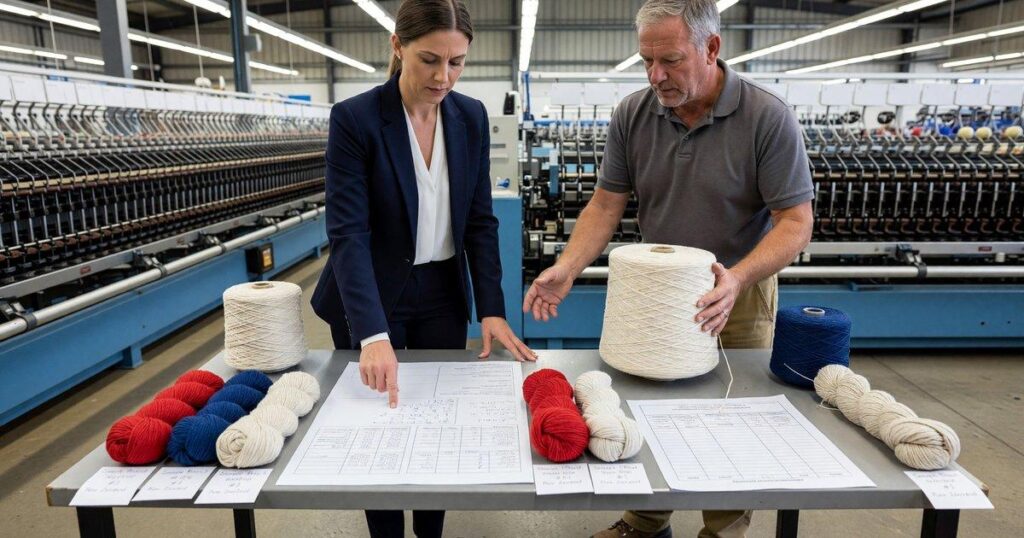
For effective supplier comparison, buyers should standardize the evaluation criteria.
A quotation comparison table can include:
| Comparison item | Supplier A | Supplier B |
|---|---|---|
| Product grade | To confirm | To confirm |
| Denier and cut length | To confirm | To confirm |
| Fiber structure and color | To confirm | To confirm |
| Quality requirements | To confirm | To confirm |
| Unit price and currency | To confirm | To confirm |
| Incoterm and named place | To confirm | To confirm |
| MOQ | To confirm | To confirm |
| Packaging | To confirm | To confirm |
| Shipment quantity | To confirm | To confirm |
| Lead time | To confirm | To confirm |
| Payment terms | To confirm | To confirm |
| Sample and documentation | To confirm | To confirm |
| Quotation validity | To confirm | To confirm |
A lower quoted unit price does not necessarily result in the lowest total landed cost.
Freight, duties, handling, financing, quality risk, and processing losses may also matter.
Buyers should evaluate the complete purchasing arrangement rather than focusing only on the price per kilogram.
14. Common RFQ Mistakes to Avoid
Asking Only for the Cheapest Price
Without technical requirements, a supplier may quote a grade that does not match your intended process.
Leaving Out the Application
The same nominal denier and cut length may not guarantee identical performance across different manufacturing applications.
Omitting the Destination and Incoterm
Without a defined delivery basis, commercial quotations may be difficult to compare.
Providing No Quantity Information
Suppliers may be unable to evaluate production, packaging, and shipping arrangements accurately.
Using Unclear Quality Requirements
Terms such as “best quality” should be replaced with approved samples, technical specifications, or measurable criteria.
Assuming Certifications Are Included
Always state required certification or traceability documentation and request confirmation of availability.
Failing to Define the Next Step
Indicate whether you expect a sample, technical proposal, price quotation, or commercial offer by a specific date.
15. Recycled Polyester Staple Fiber RFQ Checklist
Before sending an RFQ, use this checklist to confirm that the essential information is included.
Product Information
- Recycled polyester staple fiber type
- Denier
- Cut length
- Color
- Fiber structure
- Surface finish, if relevant
- Intended application
Quality Requirements
- Technical specification or reference sample
- Critical quality parameters
- Test methods and tolerances, where required
- Batch consistency requirements
- Requested technical documentation
Commercial Information
- Initial order quantity
- Estimated recurring demand, if applicable
- Packaging requirements
- Quotation currency
- Incoterm and named location
- Destination country and port
- Requested delivery schedule
- Preferred payment terms
- Quotation validity
Supplier Response
- Sample availability
- Technical Data Sheet
- MOQ
- Lead time
- Available quality records
- Required export and compliance documents
- Contact person and next steps
Not every field needs to be finalized before an initial inquiry. Unknown details should be clearly identified so the supplier can ask appropriate questions.

16. Sample RFQ Email for Recycled Polyester Staple Fiber
Subject: RFQ – Recycled Polyester Staple Fiber – [Denier × Cut Length] – [Quantity]
Dear Sales Team,
We are evaluating suppliers of recycled polyester staple fiber for our manufacturing operations and would like to request a quotation based on the following requirements.
Product: Recycled Polyester Staple Fiber
Specification: [Denier × Cut Length]
Color: [White / Black / Other]
Fiber structure: [Solid / Hollow / To be confirmed]
Application: [Yarn Spinning / Nonwoven / Bedding / Other]
Quality requirements: [Attach technical specification or describe critical requirements]
Initial quantity: [Quantity in MT or containers]
Estimated monthly demand: [If available]
Packaging: [Preferred format or request supplier’s standard]
Quotation basis: [FOB / CIF / Other Incoterm and named location]
Destination: [Country and port]
Target shipment: [Requested date or period]
Required documents: [TDS, quality records, applicable certificates, etc.]
Please include the following information in your offer:
- Unit price and currency
- Minimum order quantity
- Available specifications and technical data
- Packaging and estimated container loading quantity
- Production and shipment lead time
- Payment terms
- Sample availability
- Quotation validity
- Any differences between your proposed product and our requested specification
We would appreciate receiving your quotation and technical information for evaluation.
Best regards,
[Name]
[Company]
[Country]
[Email / WhatsApp]
17. How to Request a Quotation From GDI Textile
If you are sourcing recycled polyester staple fiber from Vietnam, Eco Micro Fiber / GDI Textile welcomes inquiries from manufacturers, importers, distributors, and industrial textile buyers.
Our product discussions can cover different fiber specifications and intended manufacturing applications, subject to grade availability and technical confirmation.
To help our team review your request, please provide:
- Required denier and cut length
- Color and fiber structure
- Intended application
- Current fiber specification or reference sample, if available
- Initial order quantity
- Destination country and port
- Required quality or documentation criteria
Send your RFQ to:
Email: [email protected]
Website: https://ecomicrofiber.com/
Our team can review the inquiry and discuss available product options, technical requirements, and quotation details.
Frequently Asked Questions
What information is essential in an RFQ for recycled polyester staple fiber?
The essential details include the required fiber specification, application, quantity, color, delivery location, requested Incoterm, and target shipment schedule. Quality and documentation requirements should also be included where relevant.
Can I request a quotation without knowing the exact denier or cut length?
Yes. Explain your application, manufacturing process, current material, and target performance. A supplier may be able to suggest candidate grades for further evaluation, although suitability should be confirmed through testing.
Should I request FOB or CIF pricing?
That depends on your purchasing responsibilities and logistics arrangements. FOB and CIF allocate costs and risks differently. Request quotations using clearly named ports and the applicable Incoterms rules.
What is the difference between an RFQ and a purchase order?
An RFQ asks suppliers to submit an offer. A purchase order is a purchasing document issued after the buyer has selected the supplier and agreed on the relevant commercial conditions.
Should I request a sample before ordering a full container?
For a new grade or supplier, sampling and production trials are generally advisable. The scope of testing should reflect your manufacturing process and quality requirements.
Does recycled polyester staple fiber always come with GRS certification?
No. Certification depends on the specific supplier, product, scope, and supporting documentation. Buyers should request verification of any certification or recycled-content claim they require.
How can I compare quotations from different RPSF suppliers?
Use the same technical specification, order quantity, delivery basis, quality criteria, and requested documents for each supplier. Evaluate the total commercial arrangement, not only the quoted price per kilogram.
Conclusion
A well-prepared RFQ for recycled polyester staple fiber makes international sourcing more efficient and helps buyers receive quotations that can be compared on a consistent basis.
The most useful RFQs combine three types of information:
Technical Requirements + Commercial Conditions + Quality and Documentation Expectations
By clearly communicating denier, cut length, application, quantity, Incoterms, destination, and acceptance requirements, procurement teams can reduce ambiguity and improve the supplier evaluation process.
If you are preparing a recycled polyester staple fiber inquiry, contact GDI Textile at [email protected] with your specifications and purchasing requirements.